Estimated Reading Time: 5 minutes
RRmember that time you walked into a newly renovated house and that’new house’smell just about knocked you over? Yeah, me too.
It made me think, “What *is* that stuff, and is it slowly poisoning me?” That’s what kicked off my obsession with understanding and, more importantly, figuring out how to reduce exposure to toxins.
I wasn’t aiming for a pristine, sterile existence, just a healthier one.
It’s easy to think of toxins as just something you find in a science lab or a chemical spill. But the truth is, we’re bombarded with them daily.
They’re in our food, our water, our air, even our furniture! That’s the bad news. The good news?
There are definitely practical steps you can take to minimize your exposure.
Okay, I admit it. I used to grab whatever was cheapest at the grocery store.
But after doing some research, I realized I was basically inviting a chemical party into my body. Now, I’m a label-reading fanatic.
I look for things like organic certifications (when possible, budget depending, of course!), and I avoid heavily processed foods loaded with artificial colors, flavors, and preservatives.
It’s not always easy, especially with kids, but even small changes make a difference.
For example, swapping out sugary cereals for oatmeal with fresh fruit felt like a major win.
And let’s talk about produce! The Environmental Working Group’s (EWG) “Dirty Dozen” and “Clean Fifteen” lists are my bible.
It tells me which fruits and vegetables are most likely to be contaminated with pesticides (Dirty Dozen) and which are relatively safe (Clean Fifteen).
Prioritizing organic options for the “Dirty Dozen” can significantly reduce your pesticide intake.
It’s one of the most impactful ways I’ve found how to reduce exposure to toxins in my diet.
Tap water. Sounds so pure and refreshing, right?
Unfortunately, it can contain a cocktail of contaminants, including chlorine, lead, and even pharmaceutical residues.
I invested in a high-quality water filter for my kitchen faucet, and it was one of the best decisions I ever made.
I also use a portable filter when I travel. It gives me peace of mind knowing I’m not drinking a science experiment.
Indoor air pollution is often worse than outdoor pollution!
Think about it: we spend a lot of time inside, surrounded by furniture, paints, and cleaning products that release volatile organic compounds (VOCs).
I made a conscious effort to switch to low-VOC paints and furniture made with natural materials.
I also open my windows regularly to air out my house, even in the winter (just for a little bit!).
Investing in a good air purifier with a HEPA filter is also a worthwhile consideration, especially if you live in an area with high air pollution levels.
Don’t forget the importance of ventilation when cooking. That smoky aroma from searing meat? Delicious, yes.

But also full of potentially harmful particles. I always turn on my exhaust fan or open a window when I’m cooking to help clear the air.
This was a big one for me. I used to slather on all sorts of lotions, potions, and makeup without a second thought.
Then I started reading the ingredient lists… yikes!
Many conventional personal care products are packed with potentially harmful chemicals like parabens, phthalates, and synthetic fragrances.
These chemicals can disrupt hormones and may even be linked to cancer.
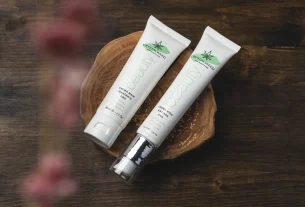
Now, I opt for natural and organic alternatives whenever possible. There are so many amazing brands out there that create safe and effective products.
It might take some trial and error to find what works best for you, but it’s worth the effort.
I even started making some of my own skincare products using simple ingredients like coconut oil and essential oils.
It’s surprisingly easy and incredibly satisfying.
Commercial cleaning products are often harsh and laden with chemicals.
I switched to using natural cleaning alternatives like vinegar, baking soda, and lemon juice.
They’re surprisingly effective and much gentler on the environment and my health. Plus, they’re way cheaper!
I even found recipes online for making my own all-purpose cleaner and laundry detergent.
It’s a fun way to get creative and reduce my exposure to harmful chemicals.
One trick I learned is to diffuse essential oils like tea tree and eucalyptus.
They have natural antibacterial and antiviral properties, helping to disinfect without the use of harsh chemicals.
It also makes the house smell amazing.
Here are a few more things I’ve incorporated into my life to minimize my toxin exposure:
Look, I’m not perfect. I still occasionally indulge in processed foods and use conventional cleaning products when I’m in a pinch.
But I’m making a conscious effort to reduce my exposure to toxins whenever possible. It’s a journey, not a destination. Every small change adds up.
And honestly, knowing I’m taking steps to protect my health and the health of my family makes me feel empowered.
Learning how to reduce exposure to toxins isn’t about deprivation; it’s about making informed choices and creating a healthier, happier life.
And the benefits? I’ve noticed a definite improvement in my energy levels, my skin, and my overall sense of well-being.
Plus, I feel good knowing I’m doing my part to protect the planet. So, what are you waiting for?
Start small, be consistent, and celebrate your progress. You got this!
One thing I found helpful was researching the dangers of endocrine disruptors.
You may also want to look into the benefits of regular detoxification.