Table of Contents
- Why Bother with a Toxin-Free Home, Anyway?
- My Step-by-Step Guide to a Toxin-Free Haven
- Step 1: Declutter Like Your Life Depends On It (Because in a Way, It Does!)
- Step 2: Rethink Your Cleaning Supplies
- Step 3: Focus on Air Quality (It’s Kind of a Big Deal!)
- Step 4: Choose Natural Materials Whenever Possible
- Step 5: Be Mindful of What You Bring Into Your Home
- The (Sometimes Uncomfortable) Truth About “Greenwashing”
- The Unexpected Benefits of a Toxin-Free Lifestyle
- Is It Really Possible to Create a *Completely* Toxin-Free Home?
- Now, It’s Your Turn!
- Beyond the Home: Expanding the Toxin-Free Mindset
Estimated Reading Time: 7 minutes
RRmember that’new car smell’? Yeah, I used to love it. Now? It makes me cringe. It’s just a cocktail of volatile organic compounds (VOCs) off-gassing into the air I breathe! That’s one of the reasons I embarked on a mission a few years ago: to figure out how to create a toxin-free home.
It wasn’t an overnight transformation, believe me. It was (and still is!) a journey, a conscious effort to swap out the bad stuff for the good. And trust me, the payoff – better sleep, fewer headaches, and just a general sense of well-being – is HUGE.
Anyway, here’s what actually helped.
Why Bother with a Toxin-Free Home, Anyway?
Look, we’re bombarded with toxins every single day. From the air we breathe outside (hello, city smog!) to the processed foods we sometimes grab on the go (guilty!), avoiding everything is impossible. But the thing is, we have so much more control over our *indoor* environment.
Our homes should be our sanctuaries, right? Not little chemical war zones!
Think about it: we spend a massive amount of time indoors. All those cleaning products, air fresheners, furniture treatments… they all contribute to our indoor air quality – or lack thereof. Learning how to create a toxin-free home is about taking back that control.
It’s about proactively choosing healthier options for yourself, your family, and even your pets.
My Step-by-Step Guide to a Toxin-Free Haven
Okay, so where do you even start? It can feel overwhelming, I know. Here’s what I did, broken down into manageable steps:
Step 1: Declutter Like Your Life Depends On It (Because in a Way, It Does!)
Seriously, the less stuff you have, the less opportunity for toxins to accumulate. Think about all those dusty knick-knacks, the clothes you haven’t worn in years, the half-empty bottles of cleaning supplies under the sink… Donate, sell, or responsibly dispose of anything you don’t truly need or love.
This also goes for that old furniture – older pieces can off-gas chemicals over time.
I started with my closet. It was overflowing! Turns out, a lot of those clothes were treated with wrinkle-resistant chemicals, which are, you guessed it, toxins. I slowly replaced them with organic cotton and other natural fibers.
Here’s where it gets practical.
Step 2: Rethink Your Cleaning Supplies
This was a big one for me. Conventional cleaning products are often packed with harsh chemicals that can irritate your skin, lungs, and even disrupt your hormones. I switched to all-natural alternatives.
Look for products with plant-based ingredients and avoid anything with vague labels like “fragrance” (that’s often a loophole for hiding hundreds of chemicals!).
You can also make your own! Vinegar, baking soda, and lemon juice are surprisingly effective cleaning agents. I make my own all-purpose cleaner with water, vinegar, and a few drops of essential oils. It smells great and works just as well as the store-bought stuff, without the nasties.
It really opened my eyes to how to create a toxin-free home isn’t as hard as I initially thought.
Step 3: Focus on Air Quality (It’s Kind of a Big Deal!)
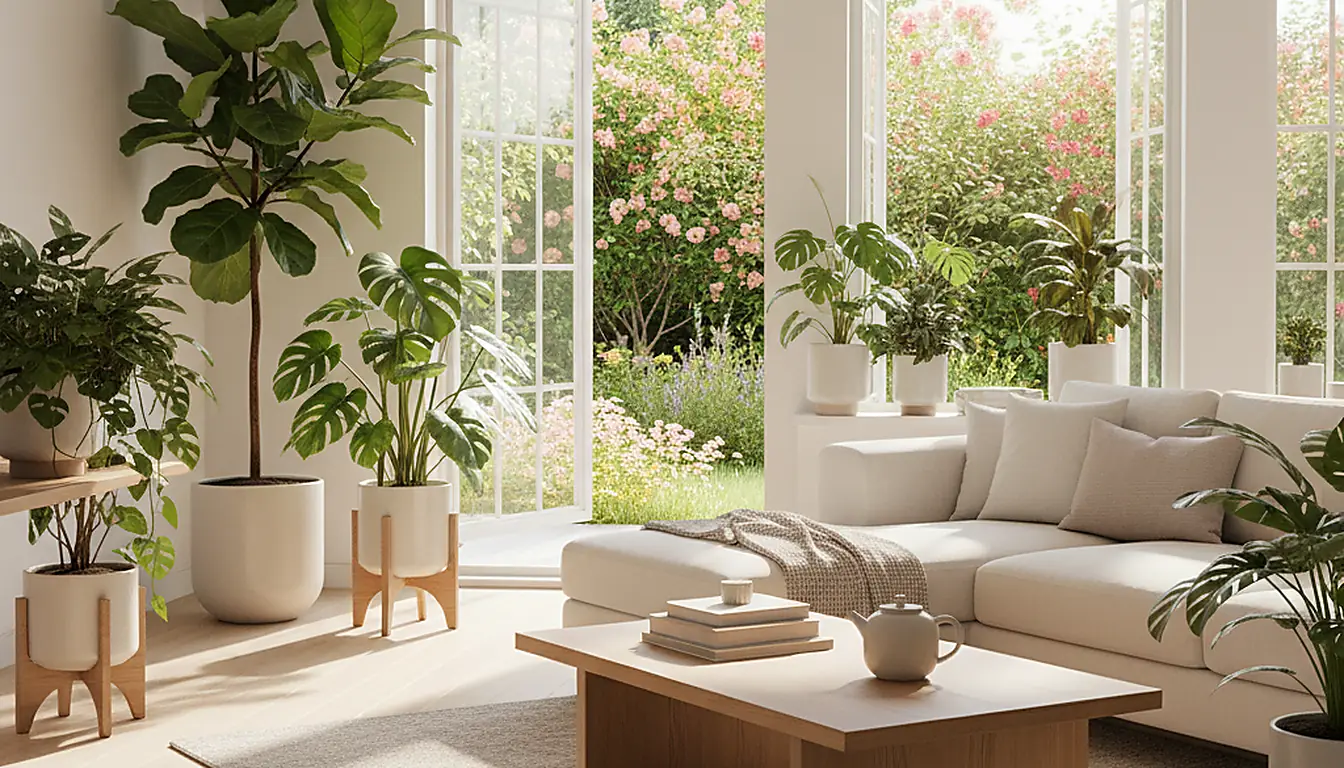
Good ventilation is key. Open your windows regularly, even in winter (just for a few minutes!), to circulate fresh air. Invest in a high-quality air purifier with a HEPA filter to remove dust, pollen, pet dander, and other airborne pollutants.
Consider adding some houseplants – they naturally filter the air and add a touch of green to your space. Snake plants, spider plants, and peace lilies are all great options.
Here’s where it feels real for me.
I also bought an air quality monitor. It’s a small device that measures the levels of VOCs, particulate matter, and other pollutants in the air. It was eye-opening to see how much the air quality fluctuated depending on what I was doing (cooking, cleaning, etc.).
Step 4: Choose Natural Materials Whenever Possible
This applies to everything from your furniture to your bedding. Look for furniture made from solid wood (not particleboard, which can off-gas formaldehyde) and finished with natural oils or waxes. Opt for organic cotton sheets, wool blankets, and natural latex mattresses.
These options are not only healthier but also often more durable and comfortable.
Replacing my mattress was a significant investment, but it was worth it. I used to wake up with a stuffy nose and a slight headache. Those symptoms disappeared almost immediately after switching to a natural latex mattress.
Step 5: Be Mindful of What You Bring Into Your Home
This is an ongoing process. Before you buy anything, take a moment to consider its potential impact on your indoor air quality. Read labels carefully, look for certifications like GreenGuard or Oeko-Tex, and choose products that are made with natural, non-toxic materials.
This is a vital lesson on how to create a toxin-free home that a lot of people may ignore.
I’ve become much more conscious of the products I use in my garden, too. I avoid synthetic pesticides and fertilizers and instead use organic methods to keep my plants healthy.
The (Sometimes Uncomfortable) Truth About “Greenwashing”
Be careful of companies that use clever marketing to make their products seem more eco-friendly than they actually are – it’s called “greenwashing.” Always read the ingredient list and do your research. Don’t just rely on the claims on the front of the package.
I learned this the hard way. I bought a “natural” laundry detergent that turned out to contain several harsh chemicals. Now, I always check the Environmental Working Group’s (EWG) website to see how products rate for safety.
The Unexpected Benefits of a Toxin-Free Lifestyle
Beyond the obvious health benefits, creating a toxin-free home has had a positive impact on other aspects of my life. I feel more connected to nature, more mindful of my consumption habits, and more empowered to make healthy choices for myself and my family.
It’s also made me think a lot more about chemical sensitivity and how to mitigate it in daily life.
For example, I now compost my food scraps, recycle religiously, and try to buy products with minimal packaging. It’s all part of a larger effort to live a more sustainable and eco-conscious life. Plus, it has made me more aware of my body burden – the total amount of toxins stored in my body.
Reducing my exposure to environmental toxins is a way to lower my body burden and improve my overall health.
Is It Really Possible to Create a *Completely* Toxin-Free Home?
Probably not. But that’s okay! The goal isn’t perfection; it’s progress. Every small change you make, every toxic product you replace with a healthier alternative, makes a difference. And remember, it’s a journey, not a destination. This is an iterative process of learning how to create a toxin-free home that I think everyone should start today.
Don’t get discouraged if you slip up or if it takes time to make changes. Just keep moving forward, one step at a time. And celebrate your successes along the way!
Now, It’s Your Turn!
What’s one small change you can make today to reduce the toxins in your home? Let me know in the comments below! I’d love to hear about your experiences and share tips and advice.
If you’re curious about eco-friendly cleaning products, check out this guide on identifying greener cleaning products from the EPA.
And if you are interested in learning more about organic bedding, you can read my other blog post on How to Choose the Best Organic Bedding.
Beyond the Home: Expanding the Toxin-Free Mindset
Creating a toxin-free home is fantastic, but the journey doesn’t have to stop there. Think about extending that mindful approach to other areas of your life. What about your personal care products? Are they filled with questionable chemicals? Could you switch to natural alternatives like I did?
Or what about the food you’re eating? Choosing organic and locally sourced produce is another powerful way to reduce your exposure to toxins. It’s all interconnected, and every small step you take makes a difference in lowering your overall environmental footprint and promoting sustainable living.