Estimated Reading Time: 7 minutes
EEer find yourself staring into the fridge, not because you’re hungry, but because your brain just *won’t* shut off? Yeah, me too. Nights spent tossing and turning, mornings dragging… it’s a vicious cycle. That’s precisely why, about a year ago, I started seriously exploring the idea of incorporating CBD into my diet.
Not as a magic bullet, mind you, but as a potential ally in my quest for a calmer, more balanced life.
Why I Started Considering CBD in Diet
Table of Contents
- Why I Started Considering CBD in Diet
- My CBD Experiment: What I Tried and What I Learned
- Choosing the Right CBD Products: My Top Tips
- Beyond Oils and Gummies: Creative Ways to Incorporate CBD into Your Diet
- Ethical Considerations and Social Impact
- The Future of CBD in Diet: What’s Next?
- My CBD Diet Checklist:
- Potential Downsides and Limitations
- Debunking Common CBD Myths
- A Final Thought
For years, I’d heard whispers about CBD – cannabidiol, the non-psychoactive cousin of THC – and its potential benefits. Friends raved about improved sleep, reduced anxiety, and even relief from chronic pain. I was skeptical, sure. But the relentless hum of modern life was taking its toll.
I needed something more than just meditation apps (though I still love those!) and chamomile tea. I was looking to incorporate cbd in diet as a way to find a holistic approach.
My initial research was overwhelming. So many products! Oils, gummies, capsules, creams… where do you even begin? It felt like navigating a jungle of jargon and confusing claims. But I pressed on, determined to find something that worked for *me*.
One of the biggest hurdles, honestly, was the stigma. I grew up in a generation where cannabis was largely demonized. It took a conscious effort to re-educate myself and understand the science behind CBD.
Learning about the endocannabinoid system (ECS) – a complex network in our bodies that regulates everything from mood to pain perception – was a game-changer. Suddenly, CBD wasn’t just a trendy supplement; it was a potential key to unlocking my body’s natural ability to heal and balance itself.
A little bit of research into how the cbd in diet impacts this process opened my eyes.
So, back to the point.
My CBD Experiment: What I Tried and What I Learned
I started slow, opting for a low-dose CBD oil that I added to my morning smoothie. My thought process was that including cbd in diet in something that I already consume every morning would be a seamless way to incorporate it into my routine.
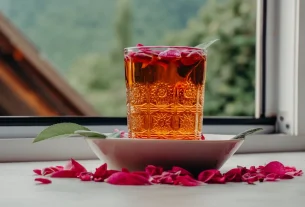
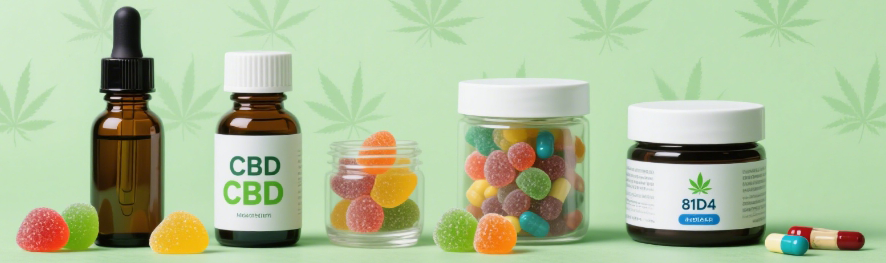
The taste wasn’t great at first – a bit earthy and, well, grassy – but I quickly got used to it. Over time, I also experimented with CBD gummies (great for on-the-go stress relief) and even CBD-infused tea (a soothing bedtime ritual).
Here’s where it gets practical.
I started to track the effects that incorporating cbd in diet had on my body.
Here’s what I discovered:
- Sleep Improvement: This was the most noticeable benefit. I fell asleep faster, stayed asleep longer, and woke up feeling more refreshed. Before, I would wake up numerous times a night and would have a hard time falling back asleep.
- Reduced Anxiety: The constant low-level anxiety that had become my normal started to dissipate. I felt calmer, more centered, and better able to handle stressful situations.
- Muscle Soreness Relief: After intense workouts, my muscles recovered faster and with less soreness. This was a welcome surprise!
It wasn’t a miracle cure, of course. There were still days when I felt stressed or struggled to sleep. But overall, CBD made a significant positive impact on my well-being. Remember, cbd in diet affects everyone differently. You might react in a different way than I did. Consistency is key, though. I found that to be helpful.
Choosing the Right CBD Products: My Top Tips

This small shift made a visible difference.
Navigating the CBD market can be tricky, but here are a few things I’ve learned along the way:
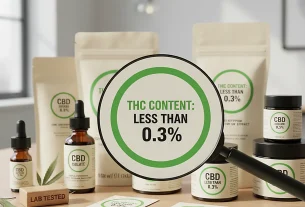
- Look for Third-Party Testing: This is crucial! Make sure the product has been tested by an independent lab for potency and purity. You want to know exactly what you’re putting into your body and ensure it’s free from harmful contaminants.
- Check the Source: Where was the hemp grown? Opt for products made from organically grown hemp, as this reduces the risk of pesticide exposure.
- Read Reviews: See what other people are saying about the product. Pay attention to both positive and negative reviews to get a balanced perspective.
- Start Low and Go Slow: Begin with a low dose and gradually increase it until you find the sweet spot that works for you.
- Consult Your Doctor: This is always a good idea, especially if you’re taking other medications.
I want to stress this point – talking to your doctor is incredibly important before you incorporate cbd in diet! Make sure that you are not putting yourself at risk by mixing any prescription medication with CBD.
Beyond Oils and Gummies: Creative Ways to Incorporate CBD into Your Diet
Once I felt comfortable with CBD oil and gummies, I started experimenting with other ways to incorporate it into my diet. Here are a few ideas:
- CBD-Infused Smoothies: Add a few drops of CBD oil to your favorite smoothie recipe for a boost of relaxation.
- CBD Coffee or Tea: Start your day with a calming cup of CBD-infused coffee or tea.
- CBD Salad Dressings: Whisk CBD oil into your homemade salad dressings for a healthy and delicious twist.
- CBD-Baked Goods: Add CBD oil to your favorite baking recipes (just be mindful of the temperature, as high heat can degrade CBD).
Ethical Considerations and Social Impact
As the CBD industry grows, it’s important to consider the ethical and social implications. Supporting companies that prioritize sustainable farming practices, fair labor standards, and transparent business practices is crucial.
We need to be mindful of the impact our choices have on the environment and the communities involved in CBD production. Transparency is key when choosing to incorporate cbd in diet into your life.
The Future of CBD in Diet: What’s Next?
I believe we’ll see even more innovative and accessible CBD products in the coming years. Imagine CBD-infused sparkling water, protein bars, and even gourmet meals designed to promote relaxation and well-being. As research continues to uncover the full potential of CBD, I’m excited to see how it will continue to evolve and improve our lives.
One day I can see myself growing my own supply of hemp for cbd in diet uses. It would allow me full control over the ingredients in my body and I think that is worth the investment of my time and effort.
My CBD Diet Checklist:
- Consult with a healthcare professional before starting any new supplement regimen.
- Research reputable brands and third-party tested CBD products.
- Start with a low dose and gradually increase as needed.
- Monitor your body’s response and adjust dosage accordingly.
- Incorporate CBD into your meals or snacks for consistent intake.
- Maintain a balanced diet and healthy lifestyle for optimal results.
Potential Downsides and Limitations
While I’ve experienced numerous benefits from incorporating cbd in diet, it’s essential to acknowledge the potential downsides and limitations. CBD can interact with certain medications, so it’s crucial to consult with your doctor before starting.
Additionally, some people may experience side effects such as drowsiness, dry mouth, or changes in appetite. It’s also important to remember that CBD is not a cure-all and may not work for everyone. It’s important to be patient and realistic about your expectations.
Debunking Common CBD Myths
There are many misconceptions surrounding CBD, so let’s debunk a few: CBD is non-psychoactive and won’t get you high. CBD is addictive. CBD is a scam. The truth is that quality matters, and finding reputable products is key to experiencing the real benefits of incorporating cbd in diet.
A Final Thought
Incorporating CBD into my diet has been a journey of discovery, experimentation, and ultimately, self-care. It’s not a magic bullet, but for me, it’s been a valuable tool in managing stress, improving sleep, and enhancing my overall well-being.
If you’re curious about exploring the potential benefits of cbd in diet, I encourage you to do your research, consult with your doctor, and listen to your body. You might be surprised at what you discover.
Disclaimer: I am not a medical professional. This blog post is based on my personal experience and should not be taken as medical advice. Always consult with your doctor before starting any new supplement regimen.