
Estimated Reading Time: 5 minutes
RRmember that feeling of constant overwhelm? Like your brain was a browser with too many tabs open? That was me, just a year ago. Juggling work, family, and trying to maintain some semblance of a social life felt impossible. Then a friend suggested I look into CBD. Honestly, I was skeptical.
I’d heard whispers, seen the gummies at the health food store, but what does CBD do, really? I needed to know. So, I dove in, did my research, and tried it myself. This is my journey, mixed with a little expert knowledge, to help you understand CBD.
So, What *Is* CBD, Anyway? (And Why Should I Care?)
Table of Contents
- So, What *Is* CBD, Anyway? (And Why Should I Care?)
- My First Experience: A Mixed Bag
- Digging Deeper: How Does CBD Work?
- What Does CBD Do? My Personal Observations
- Choosing the Right CBD Product: A Minefield?
- Potential Downsides and Considerations
- How Long Does CBD Stay in Your System?
- My Final Thoughts (and a Little Encouragement)
Let’s break it down. CBD, or cannabidiol, is a naturally occurring compound found in the cannabis plant. Unlike its cousin THC, CBD isn’t psychoactive – meaning it won’t get you high. Think of it like this: THC is the party animal, CBD is the responsible adult sipping tea in the corner, offering calm and support.
Here’s where it gets practical.
What does CBD do is often misunderstood because of its association with cannabis. According to a 2023 report by the World Health Organization, CBD exhibits no effects indicative of any abuse or dependence potential.
My First Experience: A Mixed Bag
I started with a low dose CBD oil. My expectations were probably too high. I was hoping for instant zen, but instead, nothing. Or so I thought. A few days later, I realized I hadn’t reached for my usual afternoon caffeine jolt. I was… calmer. Less reactive to the constant pinging of emails and the kids’demands.
It was subtle, but it was there. Dosage is key, folks. It’s like finding the perfect pair of jeans; it takes a little trial and error. I slowly increased my dose until I found my sweet spot. It might take some tweaking to figure out what does CBD do for *you*, specifically.
Digging Deeper: How Does CBD Work?
Here’s where it gets a little sciency, but I’ll keep it simple. CBD interacts with our body’s endocannabinoid system (ECS). The ECS is a complex network of receptors that helps regulate various functions, including sleep, mood, pain, and immune response. CBD doesn’t bind directly to these receptors like THC does.
Small change, big shift—at least for me.
Instead, it influences them, promoting balance and homeostasis. According to a review published in Frontiers in Neurology in 2020, CBD has shown promise in modulating the ECS for various therapeutic benefits.
That’s why what does CBD do varies from person to person.
What Does CBD Do? My Personal Observations
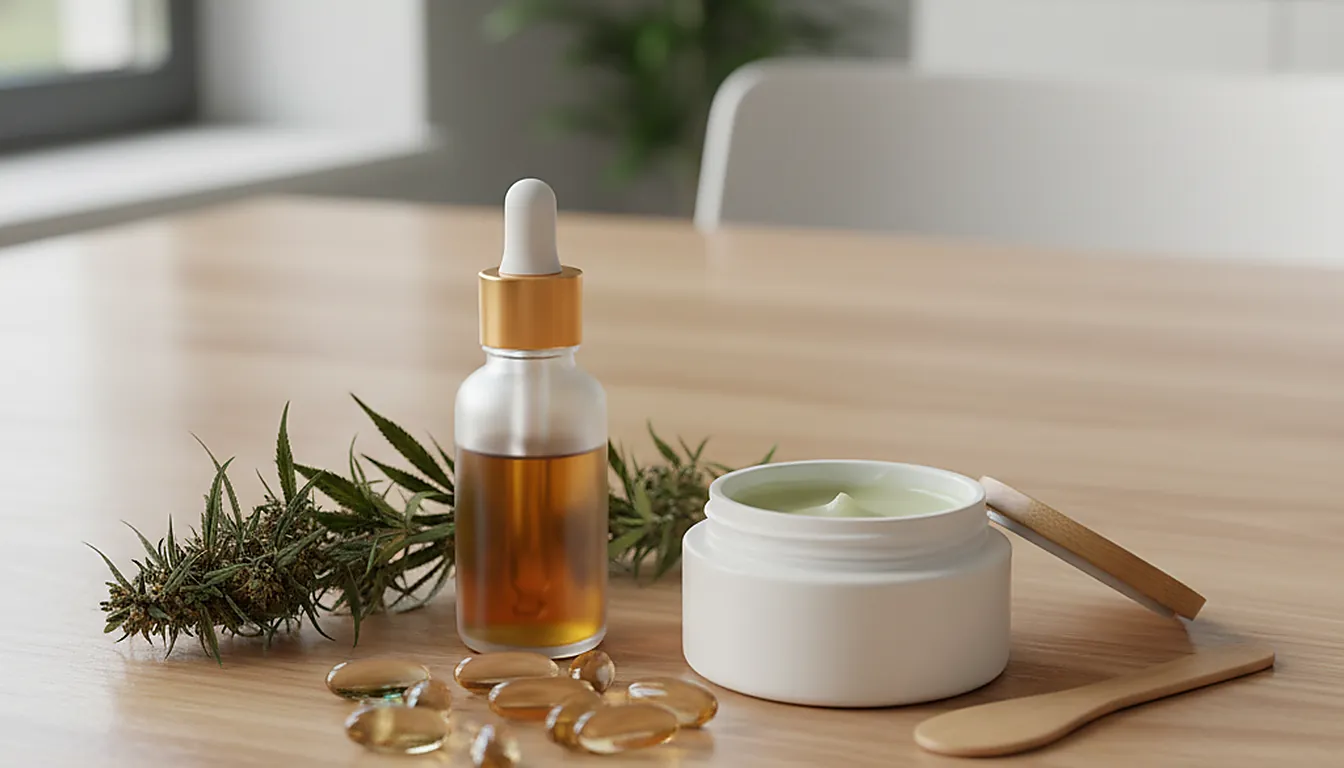
Here’s where it feels real for me.
Okay, enough with the science. Let’s talk about *my* experience. Here are some of the things I’ve noticed since incorporating CBD into my routine:
- Reduced Anxiety: This was the biggest game-changer for me. I used to wake up with a knot in my stomach, anticipating the day’s stressors. Now, that feeling is significantly lessened. I still get stressed, of course, but I can manage it better.
- Improved Sleep: I’m not saying I sleep like a baby now, but I definitely fall asleep faster and stay asleep longer. The racing thoughts that used to keep me up at night have quieted down. I find myself drifting off to sleep with greater ease.
- Less Muscle Soreness: After a tough workout, my muscles used to ache for days. Now, I recover much faster. I even rub a CBD balm on my sore spots, and it really seems to help.
It’s important to remember that everyone is different. What does CBD do for me might not be exactly what it does for you. Your mileage may vary.
Choosing the Right CBD Product: A Minefield?
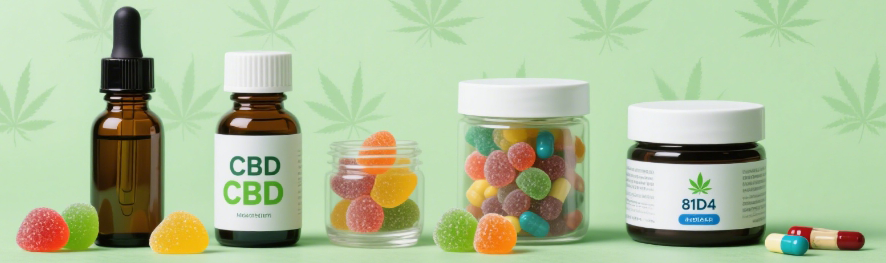
Navigating the world of CBD products can be overwhelming. Oils, tinctures, capsules, edibles, topicals… where do you even begin? Here are a few things to keep in mind:
- Full-spectrum vs. Broad-spectrum vs. Isolate: Full-spectrum CBD contains all the compounds found in the cannabis plant, including a trace amount of THC (less than 0.3%). Broad-spectrum CBD contains most of the compounds but has the THC removed. Isolate is pure CBD. I prefer full-spectrum, as I believe the entourage effect (the synergistic effect of all the compounds working together) is beneficial.
- Third-party Testing: This is crucial. Make sure the product you’re buying has been tested by a third-party lab for potency and purity. Look for a Certificate of Analysis (COA).
- Read Reviews: See what other people are saying about the product.
Potential Downsides and Considerations
Look, I’m not going to pretend CBD is a miracle cure. It’s not. And it’s important to be aware of the potential downsides. Some people experience side effects like drowsiness, dry mouth, or changes in appetite.
CBD can also interact with certain medications, so it’s crucial to talk to your doctor before trying it, especially if you’re on any prescription drugs. A potential downside is also regulation. Because the CBD market is still relatively new, regulation is still catching up.
This means that the quality and consistency of products can vary widely. Doing your research and choosing reputable brands is essential.
How Long Does CBD Stay in Your System?
This is a common question. Generally, CBD can stay in your system for 2-5 days, but it depends on factors like dosage, frequency of use, metabolism, and body weight. Chronic users or those taking high doses might have it detectable for longer. Bear in mind that drug tests typically screen for THC, not CBD.
But, some full-spectrum products contain trace amounts of THC, which could potentially trigger a positive result, especially with frequent use.
My Final Thoughts (and a Little Encouragement)
CBD has been a helpful tool in my wellness toolkit. It’s not a magic bullet, but it has helped me manage my anxiety, sleep better, and recover faster from workouts. If you’re curious about trying it, I encourage you to do your research, talk to your doctor, and start with a low dose.
Finding what does CBD do for you is a journey, not a destination. Be patient, be open-minded, and listen to your body.
It’s important to highlight that while research into CBD is promising, it’s not a replacement for medical advice. I’m sharing my experience, not prescribing a cure. Consult with your doctor before making any major changes to your wellness routine. Good luck!