Estimated Reading Time: 6 minutes
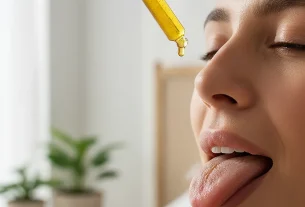
EEer found yourself wondering if that calming CBD oil you’ve been using might actually be… addictive? I know I have. It started innocently enough for me. A stressful job, sleepless nights, and a friend recommending CBD for anxiety.
Fast forward a few months, and I was reaching for that little bottle almost every evening. That’s when the question popped into my head: is CBD addictive?
My CBD Story: From Skeptic to… Well, Still a Bit Skeptic!
Table of Contents
- My CBD Story: From Skeptic to… Well, Still a Bit Skeptic!
- So, Is CBD Addictive? Let’s Get Real
- Understanding the Science: How CBD Interacts With Your Brain
- The Psychological Dependence Factor
- How Long Does CBD Stay in Your System?
- Spotting the Signs: Are You Relying Too Much on CBD?
- Tips for Using CBD Responsibly
- The Future of CBD: What’s Next?
- Final Thoughts: My Personal Take on “Is CBD Addictive?”
I was always wary of anything that promised to’take the edge off.’Growing up, I saw firsthand the damage that addiction can do. So, when CBD started gaining popularity, I was hesitant. It sounded too good to be true. But the anxiety was real, and I was desperate for a solution that wasn’t another prescription.
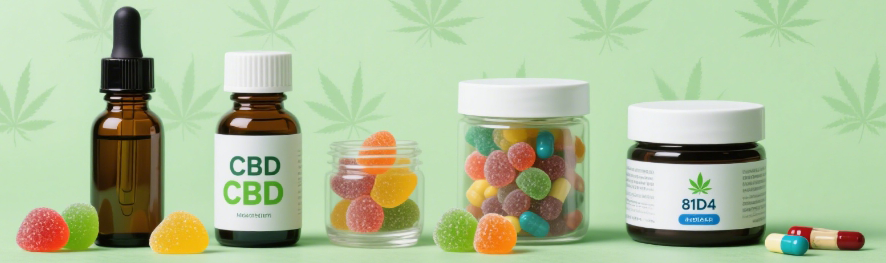
So, I did my research, talked to my doctor, and decided to give it a try. I started with a low dose CBD oil, and honestly, the first few weeks were… underwhelming. I didn’t feel a dramatic shift, but I did notice I was sleeping a little better, and the constant knot in my stomach seemed to loosen slightly.
Over time, I found myself relying on it more and more for stress relief and sleep. This is where the question of whether or not CBD is addictive really started to bug me.
Small change, big shift—at least for me.
So, Is CBD Addictive? Let’s Get Real
Okay, let’s cut to the chase. The scientific consensus, and my personal experience, leans towards no, CBD itself isn’t physically addictive in the same way that opioids or nicotine are. The World Health Organization (WHO) has even stated that CBD exhibits no effects indicative of any abuse or dependence potential.
That’s a huge relief, right? But here’s the thing: psychological dependence is a different beast. You can become psychologically reliant on anything that provides relief, whether it’s a substance or a behavior. Think about it – some people are’addicted’to exercise, or even to checking their email!
The key difference lies in the brain’s reward system. Addictive substances flood the brain with dopamine, creating a powerful craving. CBD doesn’t seem to do this to the same extent, if at all.
So, back to the point.
Understanding the Science: How CBD Interacts With Your Brain
CBD primarily interacts with the endocannabinoid system (ECS), a complex network of receptors that regulates various bodily functions, including mood, sleep, and pain.
Unlike THC, the psychoactive component of cannabis, CBD doesn’t bind directly to the CB1 receptors in the brain, which are responsible for the’high’associated with marijuana. Instead, it influences the ECS in more subtle ways, modulating the activity of other receptors and enzymes.
This indirect action is thought to be why CBD doesn’t produce the same addictive effects as THC or other drugs. Essentially, CBD helps to bring your body back into balance, without creating a strong craving or withdrawal symptoms.
The Psychological Dependence Factor
Even though CBD is not physically addictive, it’s still possible to develop a psychological dependence on it. If you’re using CBD to cope with stress, anxiety, or other underlying issues, you might start to feel like you can’t function without it.
This reliance can lead to a craving for CBD, even if your body doesn’t physically need it. For me, I noticed that on days I *didn’t* take CBD, I felt more anxious, even though the logical part of my brain knew it was probably just the placebo effect or a mild psychological withdrawal.
Here’s where it feels real for me.
That made me wonder if I was relying on it *too* much. It’s all about recognizing the difference between genuine need and psychological reliance.
How Long Does CBD Stay in Your System?
This is another common question, and the answer varies depending on several factors, including dosage, frequency of use, metabolism, and body weight. Generally, CBD can stay in your system for anywhere from 2 to 5 days. But, for heavy users or those with slower metabolisms, it could potentially linger for longer.
It’s also important to note that CBD is fat-soluble, meaning it’s stored in your body’s fat tissues. This can affect how long it takes for CBD to be completely eliminated from your system.
So, if you’re concerned about drug tests or potential interactions with other medications, it’s always best to consult with your doctor.
Spotting the Signs: Are You Relying Too Much on CBD?
Here are a few questions to ask yourself, based on my own experiences and what I’ve learned:
- Do you feel anxious or irritable when you don’t take CBD?
- Are you increasing your dosage to achieve the same effects?
- Are you spending a significant amount of time and money on CBD products?
- Are you neglecting other healthy coping mechanisms, like exercise or therapy?
- Do you feel guilty or ashamed about your CBD use?
If you answered yes to several of these questions, it might be time to reassess your relationship with CBD.
Tips for Using CBD Responsibly
Here’s what I’ve learned about keeping my CBD use in check:
- Talk to your doctor. This is always the first step. They can help you determine if CBD is right for you and advise you on the appropriate dosage.
- Start low and go slow. Begin with a low dose of CBD and gradually increase it until you find the sweet spot.
- Be mindful of your reasons for using CBD. Are you using it to cope with underlying issues? If so, consider addressing those issues through therapy or other healthy coping mechanisms.
- Take breaks from CBD. Give your body a chance to reset and see how you feel without it.
- Don’t rely solely on CBD for relief. Incorporate other healthy habits into your routine, such as exercise, meditation, and a balanced diet.
The Future of CBD: What’s Next?
The CBD market is booming, and research into its potential benefits is ongoing. I think we’ll see more refined formulations and targeted applications in the coming years. Imagine CBD-infused skincare specifically designed for eczema, or CBD products tailored to manage specific types of chronic pain.
Furthermore, personalized CBD dosages based on individual genetic profiles might become a reality. But, the industry needs stricter regulations and standardized testing to ensure product quality and consumer safety.
Transparency and accurate labeling are crucial for building trust and preventing potential adverse effects.
Final Thoughts: My Personal Take on “Is CBD Addictive?”
So, is CBD addictive? Based on my research, the scientific consensus, and my own experience, I believe that CBD is not physically addictive. But, psychological dependence is a possibility, especially if you’re using CBD to cope with underlying issues.
The key is to use CBD responsibly, be mindful of your reasons for using it, and incorporate other healthy coping mechanisms into your routine. For me, it’s about finding that balance – using CBD as a tool, not a crutch. And always, always listening to my body and my mind.
It’s been a helpful addition to my wellness routine, but it’s not the *only* thing. And that’s how I keep it healthy and helpful. Remember, a balanced approach to wellness is always the best approach. Talk to your doctor. Do your research. And listen to your body.
Do you have any personal experiences with CBD? I’d love to hear about them in the comments below!