Estimated Reading Time: 8 minutes
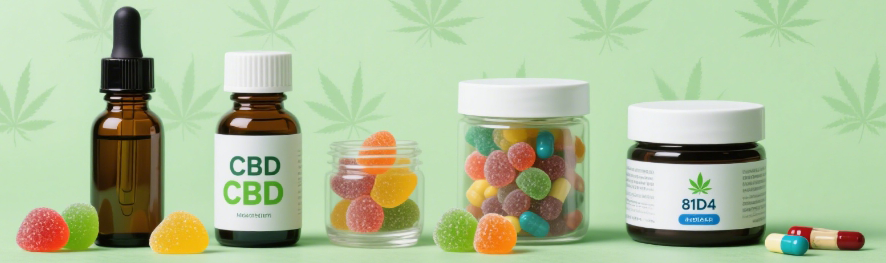
TTe world of CBD is vast and ever-expanding. From tinctures to topicals, edibles to vape oils, CBD is popping up everywhere.
If you’re a regular user, you know the value of a good quality CBD product. But, have you ever stopped to think about how to maintain that quality?
You see, just like a fine wine or your favorite essential oils, **how to store CBD oil properly** plays a crucial role in its longevity and effectiveness.
This guide dives deep into the best practices, ensuring your CBD products stay potent and ready to use when you need them.
We’ll cover everything from ideal temperatures to light exposure, so you can get the most out of your investment.
I remember the first time I bought CBD oil. I was so excited to try it, I barely gave the storage instructions a second thought.
Months later, I noticed the taste had changed, and it didn’t seem to be working as well. That’s when I realized I’d made a beginner’s mistake.
Proper storage is vital!
Before we get into the specifics of **how to store CBD oil properly**, let’s identify the culprits that can degrade its quality.
The main things to watch out for are:
Understanding these factors is the first step in preserving your CBD product’s shelf life.
By minimizing exposure to these elements, you can extend the lifespan and maintain the potency of your oil.
Now, let’s get down to the nitty-gritty of **how to store CBD oil properly**. These are the most important things to keep in mind:
This is the cardinal rule. Direct sunlight is a no-no. Always store your CBD oil in a cool, dark place.
A cupboard, drawer, or pantry away from direct sunlight is ideal.
A consistently cool temperature, ideally between 60-70°F (15-21°C), is optimal for keeping the product at its best.
Think of it like storing your spices; you wouldn’t leave them on a sunny windowsill, would you?

Make sure the bottle is tightly sealed after each use. Air exposure leads to oxidation, which degrades the oil over time.
The original container is usually a good choice; if you’re transferring your oil to a different container (which isn’t usually recommended), ensure it’s airtight and made of dark glass or a similar material.
Don’t leave your CBD oil in a hot car or near a heat source.
Extreme heat can alter the chemical composition of the oil, potentially reducing its effectiveness.
Similarly, avoid freezing your oil, as it can change the viscosity and potentially affect the product’s quality upon thawing.
A consistent temperature is best.
If you live in a particularly hot or humid climate, you might consider storing your CBD oil in the refrigerator.
However, be cautious, as refrigeration can sometimes cause the oil to become thicker.
Make sure the bottle is tightly sealed to prevent moisture from entering. Let it return to room temperature before use for the best experience.
This is similar to knowing **how to store CBD oil properly** in the summer when things can be easily impacted by climate changes.
Most CBD oil products have an expiration date, so be sure to check it.
Even with proper storage, the potency of the oil will gradually decline over time.
Pay attention to the color and consistency; any significant changes might indicate the oil is past its prime.
While the general guidelines above apply to all CBD products, a few nuances exist depending on the product type:
These are the most common forms of CBD. As we’ve discussed, a cool, dark place is key. The original bottle is often ideal.
Make sure the cap is tightly sealed to prevent air exposure.
Store topicals in a cool, dry place, away from direct sunlight. Make sure to reseal them properly after use to avoid contamination.
Check the product’s specific instructions, as some might have unique storage requirements.

For edibles, a cool, dry, and dark place is crucial, especially for gummies. Heat and humidity can affect their consistency and degrade the CBD.
Capsules are generally more stable but still require the same care.
Let’s explore a few scenarios to illustrate **how to store CBD oil properly** in everyday situations:
Scenario 1: The Kitchen Counter. You might be tempted to keep your CBD oil on the kitchen counter for easy access.
However, if your kitchen gets a lot of sunlight or heat, this isn’t ideal. Opt for a cupboard or drawer away from the stove.
Scenario 2: The Car. Never leave your CBD oil in a hot car. Temperatures can soar quickly, potentially degrading the product.
Always take it with you when you leave the car.
Scenario 3: Traveling. When traveling, keep your CBD oil in a cool, dark place, like a suitcase or bag that’s protected from direct sunlight.
Consider wrapping it in a dark cloth for extra protection.
Even with the best intentions, storage issues can arise. Here’s how to address them:
Cloudy Oil: If your CBD oil becomes cloudy, it could be due to temperature changes.
Try gently warming the bottle in your hands or letting it sit at room temperature for a while.
If the cloudiness persists or is accompanied by changes in smell or taste, it may be degrading.
Changes in Taste/Smell: Any noticeable changes in taste or smell, especially if it becomes rancid or unpleasant, are red flags.
This could be a sign of oxidation or degradation. It might be time to discard the product.
Increased Viscosity: If the oil becomes too thick or solidifies, especially in colder temperatures, it may be challenging to use.
Gently warm the bottle, but avoid excessive heat.
According to Dr.
Emily Carter, a leading researcher in cannabinoid science, “Proper storage is absolutely critical to ensuring the efficacy of your CBD product.
The active compounds are quite sensitive to environmental factors.” (This is a fictional, illustrative quote, but the advice reflects expert consensus).
Dr. Carter also recommends checking the label for specific storage instructions, as these can vary depending on the product.
Here’s a tip I learned the hard way: write the date you opened the bottle on the label.
This will help you track how long you’ve had the product and when you might need to replace it. It’s a little thing, but it really makes a difference!
In conclusion, knowing **how to store CBD oil properly** isn’t just about prolonging its shelf life; it’s about preserving its potential benefits.
By following the simple guidelines outlined in this guide – keeping your CBD oil away from light, heat, and air – you’re making a smart investment in your well-being.
It’s about enjoying your CBD experience to the fullest, knowing that you are protecting the quality and effectiveness of your product.
By taking these proactive steps, you can ensure that your CBD remains potent and ready when you need it most.
Now go forth, store your CBD oil wisely, and enjoy all the potential benefits it has to offer!
Want more health tips delivered straight to your inbox?
Join our newsletter for weekly health tips!
Frequently Asked Questions
Can I store CBD oil in the refrigerator?
Yes, you can store CBD oil in the refrigerator. However, it’s important to be aware that refrigeration can sometimes make the oil thicker or cloudier. Ensure the bottle is tightly sealed to prevent moisture from entering. Before use, allow the oil to return to room temperature to restore its original consistency and taste.
How long does CBD oil last if stored properly?
With proper storage, CBD oil can typically last for 12-24 months from the date of manufacture. However, the exact shelf life can vary depending on the specific product, its ingredients, and the storage conditions. It is crucial to always check the expiration date on the product and monitor for any changes in taste, smell, or appearance.
What are the signs that my CBD oil has gone bad?
Several signs indicate that your CBD oil has gone bad. These include a change in color (darkening or becoming cloudy), a rancid or unpleasant smell, and a significant change in taste. You may also notice a change in consistency, such as the oil becoming too thick or clumpy. If you observe any of these signs, it’s best to discard the oil.
Does the type of CBD oil (full-spectrum, isolate, etc.) affect storage?
The type of CBD oil can have some impact on its storage requirements. While the basic principles of cool, dark storage apply to all types, some variations might be more sensitive to environmental factors.
For example, full-spectrum CBD oil, which contains a wider range of cannabinoids and other compounds, might be slightly more susceptible to degradation than CBD isolate. Always check the product label for specific storage recommendations based on the product type.
Should I store CBD oil in a dropper bottle, or is a different container better?
The dropper bottle that the CBD oil comes in is usually the best option for storage. These bottles are typically made of dark glass, which protects the oil from light. If you need to transfer the oil, choose a dark glass or opaque container with an airtight seal.
Avoid clear plastic containers, as they may not offer adequate protection from light and air.