Table of Contents
- Where Do You Even Start With Creating a Toxin-Free Home?
- Kickstart Your Kitchen Cleanup
- Transform Your Bedroom Into a Sleep Sanctuary
- Beyond the Basics: More Tips for a Toxin-Free Home
- Is It Worth the Effort to Create a Toxin-Free Home?
- The Ethical Consideration: Toxin-Free for All?
- What’s Next in Toxin-Free Living?
Estimated Reading Time: 7 minutes
RRmember that feeling of sinking into your couch after a long day, thinking, “Finally, home!”? But what if your home, your sanctuary, was actually contributing to feeling…blah? That’s what happened to me. I started feeling sluggish, experiencing these weird headaches, and just generally…off.
Then, I stumbled upon the concept of creating a toxin-free home, and it was a total game-changer.
Look, I’m not a scientist or some environmental guru. I’m just a regular person who wanted to feel better. I wanted my home to be a place of true rest and rejuvenation, not a source of hidden dangers. So, I started researching how to create a toxin-free home, and I learned a LOT. And I mean, A LOT.
It can be overwhelming, I get it! But trust me, you don’t have to overhaul your entire life overnight. Small, manageable changes make a HUGE difference. Let’s dive into how to create a toxin-free home step by step.
Where Do You Even Start With Creating a Toxin-Free Home?
Okay, so the sheer volume of potential toxins lurking in our homes is… frankly, terrifying. But before you start hyperventilating and throwing everything away, let’s prioritize. Think about the areas where you spend the most time and the products you use most frequently. For me, that was the kitchen and the bedroom.
Makes sense, right? Food and sleep!
One anti-intuitive thing I learned? According to the EPA, indoor air can be two to five times more polluted than outdoor air! That blew my mind. Suddenly, proper ventilation and air purification became HUGE priorities. It wasn’t just about what I was bringing into my home, but what was already there, trapped and recirculating.
Here’s where it gets practical.
Kickstart Your Kitchen Cleanup
The kitchen: a place of culinary creativity, and apparently, a hotbed of potential toxins. Let’s tackle some common culprits:
- Non-stick Cookware: This was a tough one for me. I loved my non-stick pans! But the chemicals used to create that slick surface (like PFAS) can leach into your food, especially when the pan is scratched or overheated. The alternative? Cast iron, stainless steel, or ceramic cookware. I invested in a good cast iron skillet and haven’t looked back. Yes, it requires a little more TLC, but the flavor it imparts and the peace of mind are worth it.
- Plastic Containers: We’ve all been there – microwaving leftovers in plastic containers. But many plastics contain BPA and phthalates, which can leach into your food when heated. Swap them out for glass containers. I bought a set of glass storage containers with airtight lids, and they’re honestly one of my best investments.
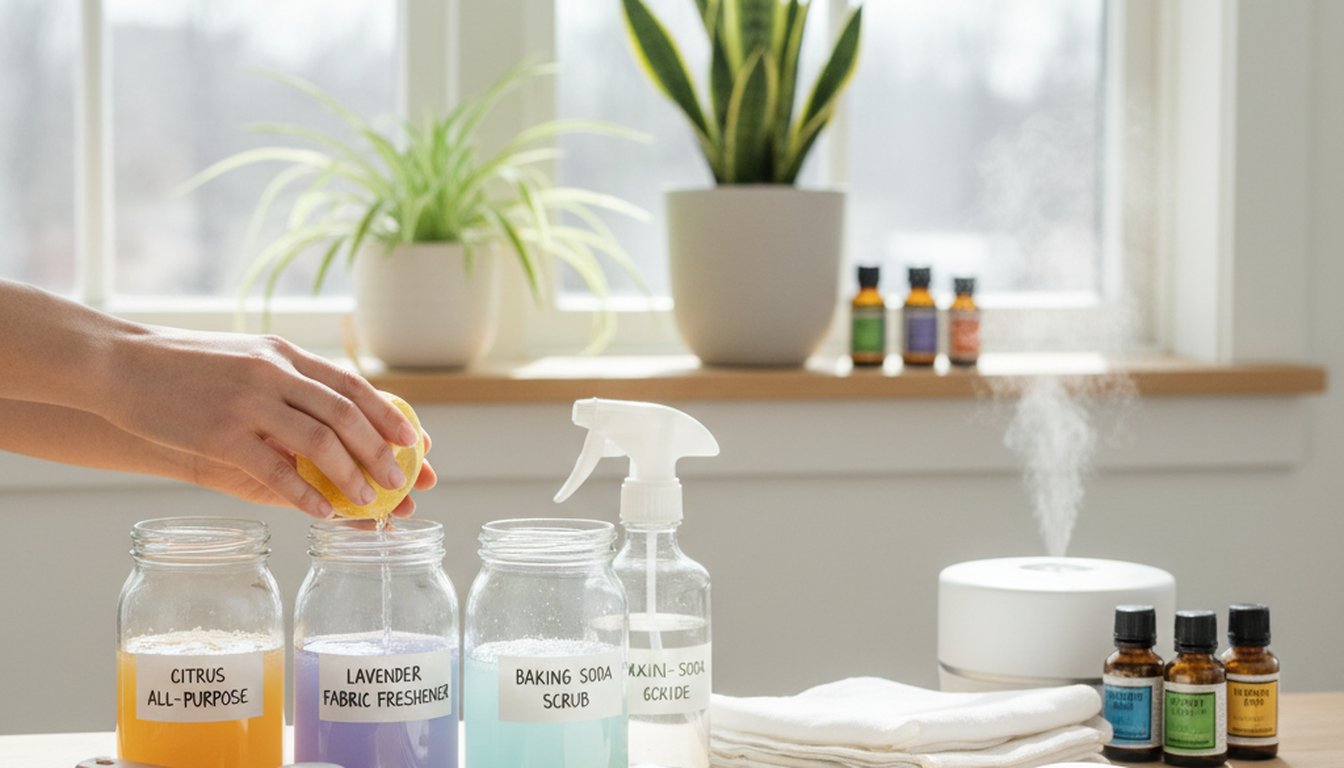
- Cleaning Products: Conventional cleaning products are often packed with harsh chemicals that can irritate your skin, lungs, and even disrupt your hormones. Look for natural cleaning products with plant-based ingredients, or even better, make your own! A simple solution of vinegar and water works wonders for many cleaning tasks. I also discovered the magic of baking soda and lemon juice for scrubbing stubborn stains.
- Water Filtration: Tap water can contain a variety of contaminants, including chlorine, lead, and pesticides. Invest in a good quality water filter, whether it’s a pitcher filter, a faucet filter, or a whole-house filtration system. I personally use a Berkey filter, and I can taste the difference.
Transform Your Bedroom Into a Sleep Sanctuary
Your bedroom should be a haven for rest and relaxation. But it can also be a source of hidden toxins:

Here’s where it feels real for me.
So, back to the point.
- Mattress: Conventional mattresses are often treated with flame retardants and made with synthetic materials that can off-gas harmful chemicals. Look for a mattress made with natural materials like organic cotton, wool, or latex. I did a TON of research before investing in an organic latex mattress. It was pricey, yes, but the improvement in my sleep quality was incredible.
- Bedding: Similar to mattresses, conventional bedding can be treated with chemicals and made with synthetic fabrics. Choose organic cotton, linen, or bamboo sheets and blankets. They feel amazing against your skin and are much better for your health.
- Air Quality: As I mentioned earlier, indoor air quality is crucial. Invest in an air purifier with a HEPA filter to remove dust, allergens, and other pollutants from the air. Open your windows regularly to ventilate the room, even if it’s just for a few minutes each day. I also keep a few houseplants in my bedroom, which help to purify the air naturally.
- Scented Candles and Air Fresheners: I used to LOVE burning scented candles, but most of them are made with paraffin wax and synthetic fragrances, which release harmful chemicals into the air. Switch to beeswax candles or use essential oil diffusers with natural essential oils. I find the gentle aroma of lavender or chamomile to be incredibly relaxing before bed.
Beyond the Basics: More Tips for a Toxin-Free Home
So, we’ve covered the kitchen and bedroom, but there’s so much more you can do to create a toxin-free home. Here are a few extra tips that I’ve found helpful:
- Choose low-VOC paints: When painting your walls, opt for low-VOC (volatile organic compound) paints. VOCs are chemicals that are released into the air as the paint dries, and they can cause headaches, dizziness, and other health problems.
- Avoid pesticides: Instead of using chemical pesticides, try natural alternatives like diatomaceous earth or essential oil sprays. You can also prevent pests by keeping your home clean and clutter-free.
- Dust and vacuum regularly: Dust and vacuuming help to remove dust mites, allergens, and other pollutants from your home. Use a vacuum cleaner with a HEPA filter for best results.
- Be mindful of your personal care products: Many personal care products, like shampoos, lotions, and makeup, contain harmful chemicals. Read labels carefully and choose products with natural and organic ingredients. I use the Environmental Working Group’s Skin Deep database to check the safety of my products.
- Say No to Fragrance: Artificial fragrances are EVERYWHERE, and they’re often full of mystery chemicals. From laundry detergents to cleaning supplies, opt for fragrance-free options whenever possible.
Is It Worth the Effort to Create a Toxin-Free Home?
Honestly? Yes. Absolutely. It’s not always easy, and it definitely requires a conscious effort. But the benefits I’ve experienced – improved sleep, fewer headaches, increased energy, and just an overall sense of well-being – have been well worth it.
It’s about creating a home that supports your health and vitality, not detracts from it. While data is hard to pin down exactly, some studies estimate that reducing exposure to common household toxins can lead to a 10-15% improvement in overall health and well-being. That’s significant!
The biggest downside? The initial investment. Organic mattresses, glass containers, and high-quality air purifiers can be expensive. But think of it as an investment in your long-term health. Plus, you don’t have to do everything at once.
Start with small changes and gradually work your way towards a more toxin-free home. My advice? Prioritize the bedroom first. Good sleep is the foundation of good health.
So, are you ready to take the first step on your journey to create a toxin-free home? Start small, be patient with yourself, and celebrate your progress along the way. You got this!
The Ethical Consideration: Toxin-Free for All?
Let’s get real for a second. The ability to create a fully toxin-free home often comes down to resources. Organic products, specialized filters – they can be pricey. This raises an ethical question: shouldn’t everyone have access to a healthy home environment, regardless of their income?
It’s something I think about a lot. Supporting companies with sustainable practices and advocating for stricter regulations on chemical use are ways we can help create a more equitable and healthy world for all.
What’s Next in Toxin-Free Living?
I think we’re going to see a huge push towards transparency in product labeling. Consumers are demanding to know exactly what’s in the products they’re bringing into their homes. Also, look out for innovations in air purification technology and more affordable, eco-friendly building materials.
The future of toxin-free living is bright – and much cleaner!