Estimated Reading Time: 6 minutes
RRmember that feeling? The one where your shoulders are so tight, you feel like you’re wearing a permanent neck brace? Or that anxious flutter in your stomach before a big presentation? Yeah, I know it well. For years, I struggled with both. Then, a friend mentioned something that sounded…well, a little too good to be true: CBD.
I’m going to be completely honest. At first, I was skeptical. What is CBD, really? Was it just another overhyped health fad? Something that would burn a hole in my wallet and deliver zero results? I did a deep dive, and what I discovered blew my mind. It’s not a cure-all, definitely not, but it has the potential to make a real difference.
So, What *Exactly* Is CBD? Let’s Break It Down.
Table of Contents
- So, What *Exactly* Is CBD? Let’s Break It Down.
- How Does CBD Actually Work in Your Body?
- My Personal CBD Experiment: From Skeptic to Believer
- Different Forms of CBD: Finding What Works for You
- Is CBD Right for *You*? Things to Consider.
- What are the potential side effects of CBD?
- How long does CBD stay in your system?
- The Future of CBD: What’s Next?
- My Final Thoughts on CBD
Okay, let’s get scientific for a second – but I promise to keep it simple. CBD stands for cannabidiol. It’s one of over a hundred chemical compounds called cannabinoids found in the cannabis plant. Now, before you jump to conclusions, no, what is CBD is *not* the same as marijuana.
The main difference is that CBD does NOT have the psychoactive properties that THC (tetrahydrocannabinol) does. It won’t get you high.
Think of it this way: both CBD and THC are cousins, but one likes to party, and the other prefers a quiet night in with a good book. CBD is the bookworm of the family.
How Does CBD Actually Work in Your Body?
Here’s the cool part. Our bodies have something called the endocannabinoid system (ECS). This system plays a crucial role in regulating various functions, including mood, sleep, pain, and immune response. CBD interacts with this system, helping to bring things back into balance.
Think of it like a conductor leading an orchestra. If some instruments are out of tune, the conductor helps them get back on track. That’s what CBD does for your ECS.
Anyway, here’s what actually helped.
My Personal CBD Experiment: From Skeptic to Believer
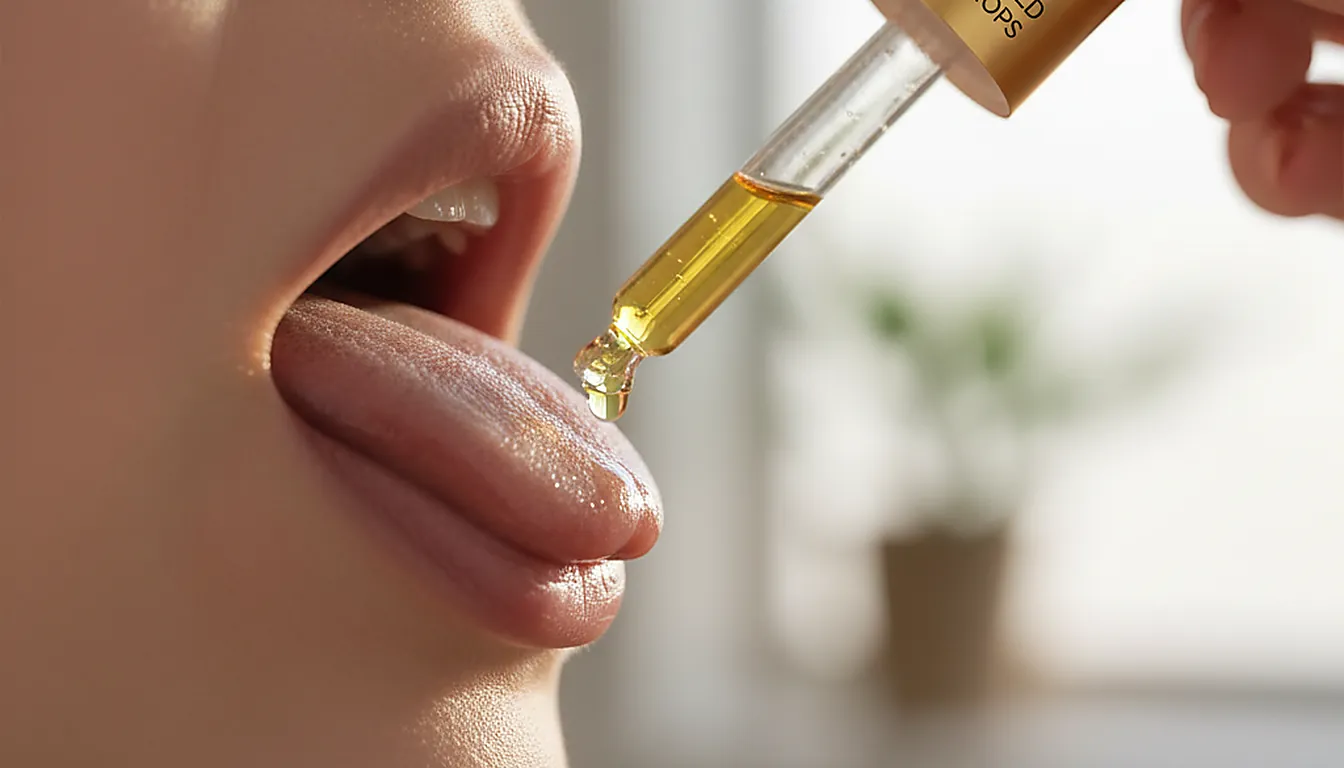
After doing my research, I decided to give CBD a try. I started with a low dose of CBD oil, just a few drops under my tongue in the evenings. The first few days, I didn’t notice much. But after about a week, something shifted. My sleep improved. I wasn’t tossing and turning as much, and I woke up feeling more rested.
My anxiety levels also started to decrease. That pre-presentation stomach flutter? It wasn’t as intense.
I started experimenting with different forms of CBD. I tried CBD gummies, which were great for on-the-go stress relief. I even found a CBD topical cream for my aching back after long hours at my computer. It wasn’t a miracle cure, but the difference was noticeable.
Let me put it this way.
I was less tense, less stressed, and generally felt more…well, balanced. To be honest, I didn’t expect any of this when trying to find out what is CBD.
Different Forms of CBD: Finding What Works for You
Here’s where it feels real for me.
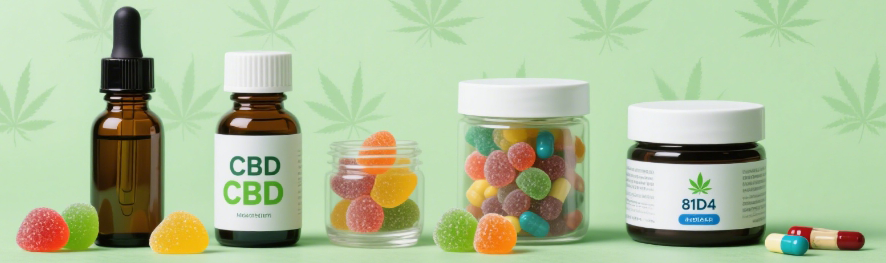
One of the great things about CBD is that it comes in so many different forms. Here’s a quick rundown:
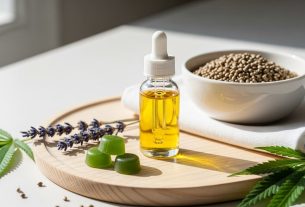
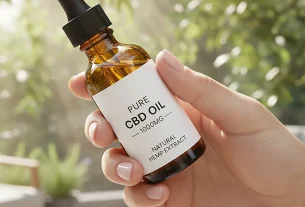
- CBD Oil: This is the most common form. You place a few drops under your tongue and hold it there for about a minute before swallowing.
- CBD Capsules: These are convenient and easy to swallow, but the effects may take longer to kick in.
- CBD Gummies: A tasty and discreet way to take CBD. Perfect for on-the-go use.
- CBD Topicals: Creams, lotions, and balms that you apply directly to your skin for targeted relief.
- CBD Vape: Inhaling CBD provides the fastest relief, but it’s not the healthiest option due to potential lung irritation.
The best way to find what works for you is to experiment. Start with a low dose and gradually increase it until you find the sweet spot.
Is CBD Right for *You*? Things to Consider.
Okay, so I’ve shared my positive experience with CBD. But it’s important to be realistic. CBD isn’t a magic bullet. It doesn’t work the same way for everyone. And it’s not a substitute for proper medical care.
Here are a few things to keep in mind:
- Talk to your doctor: Before starting CBD, especially if you’re taking any medications, it’s crucial to talk to your doctor. CBD can interact with certain drugs, so it’s important to be aware of the potential risks.
- Start low and go slow: As I mentioned earlier, start with a low dose and gradually increase it until you find what works for you.
- Be patient: CBD may take a few days or even weeks to start working. Don’t get discouraged if you don’t notice results immediately.
- Choose quality products: Not all CBD products are created equal. Look for products that are third-party tested and contain a certificate of analysis (COA) to ensure purity and potency.
What are the potential side effects of CBD?
While CBD is generally considered safe, some people may experience side effects such as dry mouth, diarrhea, reduced appetite, drowsiness, and fatigue. These side effects are usually mild and temporary. A 2017 study published in the journal *Cannabis and Cannabinoid Research* found that even high doses of CBD are well-tolerated in humans.
How long does CBD stay in your system?
This is a tricky question because it varies from person to person. Factors like your metabolism, dosage, frequency of use, and body fat percentage all play a role. Generally, CBD can stay in your system for anywhere from two to five days.
But, in some cases, it may be detectable for longer, especially with chronic use. I’d recommend considering this, as many people wonder exactly what is CBD and how long it lasts.
The Future of CBD: What’s Next?
The CBD industry is booming, and it’s only going to continue to grow in the coming years. Experts predict that the global CBD market will reach $47.22 billion by 2028. That’s insane! As research continues, we’ll likely discover even more potential benefits of CBD.
We’ll also see even more innovative products and applications emerge. From CBD-infused beverages to CBD skincare, the possibilities are endless.
One trend I’m particularly excited about is personalized CBD. Imagine a future where you can get a CBD product tailored to your specific needs and genetics. That’s the kind of progress that could really change the game.
I also think we’ll see more regulations around CBD production and marketing, which will help to ensure that consumers are getting safe and effective products.
My Final Thoughts on CBD
So, after all my research and personal experience, what do I think about CBD? I think it’s a promising natural remedy that has the potential to improve many people’s lives. It’s not a miracle cure, but it can be a valuable tool for managing stress, anxiety, pain, and sleep problems.
And while it’s not an immediate solution, the effects can be subtle but significant.
If you’re curious about CBD, I encourage you to do your own research, talk to your doctor, and give it a try. You might be surprised at the results. Finding out what is CBD really opened my mind to new forms of self-care, and I hope it can do the same for you.