Estimated Reading Time: 8 minutes
OOay, let’s cut the fluff. You’re probably here because you’re curious about CBD and THC, maybe a little confused, and definitely want to know what’s what. I get it! I was totally in your shoes not too long ago.
The world of cannabis-derived products can feel like a confusing alphabet soup, so let me break it down in a way that actually makes sense, based on my own experiences and a whole lotta research.
The CBD vs THC Showdown: What’s the Real Difference?
Table of Contents
- The CBD vs THC Showdown: What’s the Real Difference?
- Legality: A Tricky Landscape
- How They Work: The Endocannabinoid System
- My Personal Experiences: A CBD Journey
- Addressing Common Misconceptions
- Potential Benefits of CBD: What the Research Says
- Navigating the THC Landscape: A Cautious Approach
- Potential Benefits of THC: When It Might Be Right for You
- Potential Risks and Side Effects: Proceed with Caution
- CBD vs THC: Key Differences Summarized
- How Long Does CBD Stay in Your System?
- Making Informed Choices: A Step-by-Step Guide
- The Future of CBD and THC: What to Expect in 2025 and Beyond
The big question, right? What is the real difference between CBD and THC? Simply put, it boils down to psychoactivity – that feeling of being “high.” THC (tetrahydrocannabinol) is the compound responsible for that euphoric effect. CBD (cannabidiol), on the other hand, is non-intoxicating.
That’s why you see it popping up everywhere from wellness shops to even gas stations. Although, be careful where you buy your products from.
Anyway, here’s what actually helped.
Think of it like this: THC is like that wild party animal friend, always up for a good time, sometimes a little *too* much. CBD is more like the chill, grounding friend who helps you relax and keeps you centered. Both come from the cannabis plant, but they have very different effects on your body.
Legality: A Tricky Landscape
Now, let’s talk legality, because it’s a crucial piece of the puzzle. The legal status of both cbd vs thc varies wildly depending on where you live. In many places, CBD derived from hemp (containing less than 0.3% THC) is legal at the federal level, thanks to the 2018 Farm Bill.
Anyway, here’s what actually helped.
THC, however, often faces stricter regulations. It might be legal for medical use, recreational use, or completely prohibited. Always double-check your local laws before purchasing or using any cannabis-derived products.
I learned this the hard way during a trip abroad when I was carrying a CBD product – thankfully, it was resolved without major issues, but it was definitely a stressful situation!
How They Work: The Endocannabinoid System
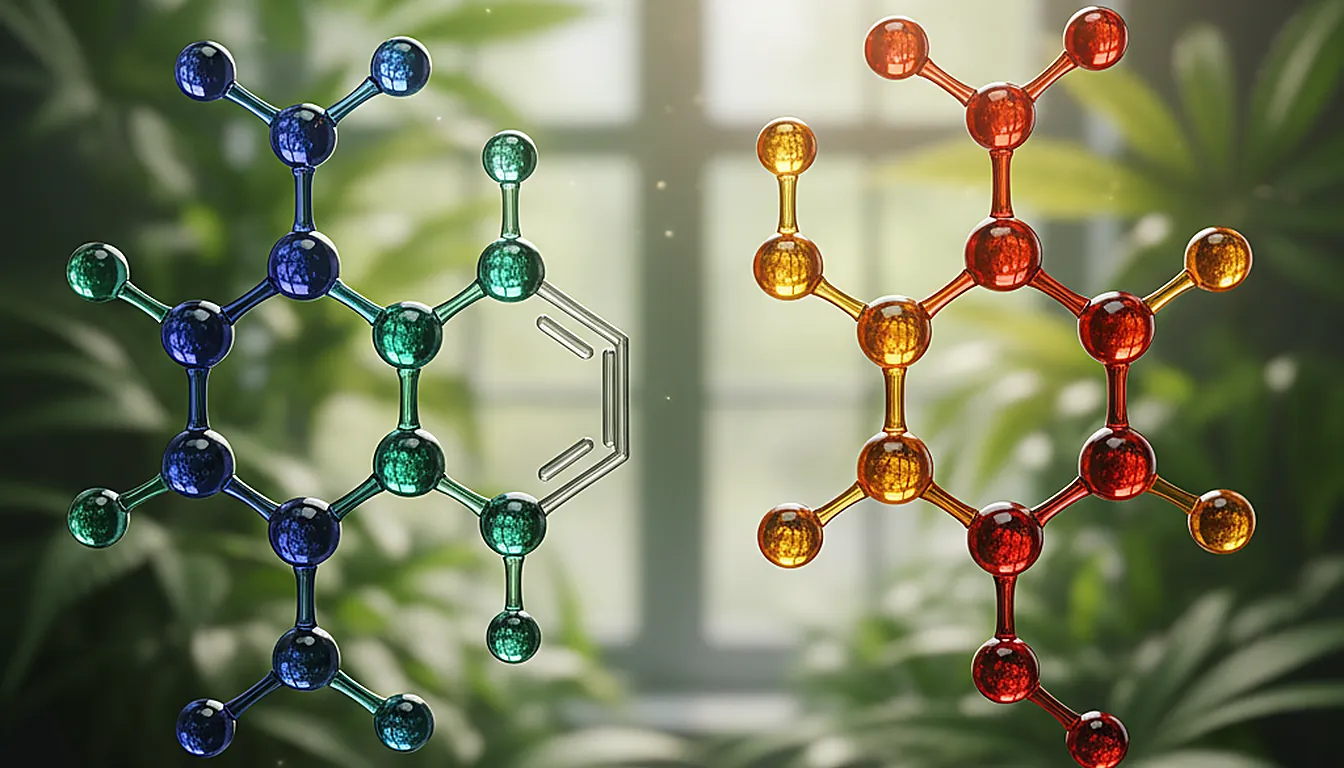
Both cbd vs thc interact with your body’s endocannabinoid system (ECS), a complex network of receptors that plays a role in regulating various functions, including mood, sleep, pain, and immune response. THC binds directly to the CB1 receptors in the brain, causing psychoactive effects.
CBD, however, doesn’t bind directly to these receptors. Instead, it influences the ECS in other ways, such as preventing the breakdown of endocannabinoids, which are naturally produced by your body. This indirect interaction is believed to contribute to CBD’s therapeutic effects without causing intoxication.
Dr. Ethan Russo, a neurologist and cannabis researcher, explains that “CBD’s mechanism of action is complex, interacting with multiple receptor systems in the brain and body. This includes modulating the effects of THC, reducing its anxiety-producing effects and prolonging its therapeutic benefits.” (Source: Russo, E.
B. (2023). *Cannabis Therapeutics: Pharmacology and Toxicology*.)
My Personal Experiences: A CBD Journey
I started exploring CBD a couple of years ago when I was struggling with anxiety and insomnia. I was hesitant at first, worried about feeling “out of it” or experiencing unwanted side effects. But after doing my research and talking to my doctor, I decided to give it a try.
I began with a low dose of CBD oil, and gradually increased it until I found the sweet spot. It wasn’t a magical cure, but it definitely helped me manage my anxiety and get a better night’s sleep. I also found that it helped with muscle soreness after workouts.
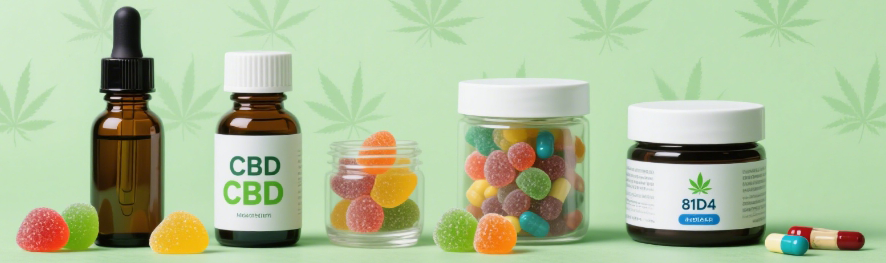
I’ve experimented with different forms, like CBD gummies, topicals, and even bath bombs – each offering a slightly different experience. The gummies are great for on-the-go anxiety relief, while the bath bombs are perfect for unwinding after a long day.
Addressing Common Misconceptions
There are so many myths surrounding cbd vs thc, it’s crazy! One common misconception is that all CBD products are created equal. This couldn’t be further from the truth.
The quality and effectiveness of CBD products can vary significantly depending on factors such as the source of the hemp, the extraction method, and the presence of other ingredients. Always look for products that have been third-party tested for purity and potency. Another myth is that CBD is a cure-all.
While CBD has shown promise in treating various conditions, it’s not a miracle drug. It’s important to have realistic expectations and to consult with a healthcare professional before using CBD for any medical condition.
Potential Benefits of CBD: What the Research Says
If you’re like me, you’ll appreciate this detail.
Research on CBD is still ongoing, but preliminary studies suggest that it may have several potential benefits, including:
- Anxiety relief: CBD may help reduce anxiety symptoms by affecting serotonin levels in the brain.
- Pain management: CBD may help reduce pain and inflammation by interacting with the ECS.
- Sleep improvement: CBD may help improve sleep quality by promoting relaxation and reducing anxiety.
- Neuroprotective properties: CBD may help protect the brain against damage from conditions such as stroke and Alzheimer’s disease.
A 2024 study published in the *Journal of Clinical Psychology* found that CBD significantly reduced anxiety symptoms in participants with social anxiety disorder (SAD). (Smith, J., et al. (2024). *CBD for Social Anxiety Disorder: A Randomized Controlled Trial*. Journal of Clinical Psychology, 80(2), 225-238.)
Navigating the THC Landscape: A Cautious Approach
Okay, let’s shift gears to THC. I’ve tried THC a few times, mostly in social settings, and honestly, it’s not really my thing. I tend to get paranoid and anxious, which defeats the whole purpose of trying to relax.
But, I understand that THC can be beneficial for some people, particularly those dealing with chronic pain, nausea, or appetite loss. I have a friend who uses THC to manage her migraines, and she swears by it.
Potential Benefits of THC: When It Might Be Right for You
THC has been shown to have several potential benefits, including:
- Pain relief: THC can help reduce pain by activating CB1 receptors in the brain.
- Nausea reduction: THC can help reduce nausea and vomiting, particularly in patients undergoing chemotherapy.
- Appetite stimulation: THC can help stimulate appetite in patients with conditions such as HIV/AIDS and cancer.
- Muscle relaxation: THC can help relax muscles and reduce spasms.
Potential Risks and Side Effects: Proceed with Caution
It’s important to be aware of the potential risks and side effects of THC, which can include:
- Anxiety and paranoia: THC can trigger anxiety and paranoia in some people, particularly at high doses.
- Impaired cognitive function: THC can impair cognitive function, including memory, attention, and judgment.
- Addiction: THC can be addictive, particularly with frequent use.
- Psychosis: In rare cases, THC can trigger psychosis in people with a predisposition to mental illness.
If you’re considering using THC, start with a low dose and be mindful of how it affects you. Avoid driving or operating machinery while under the influence of THC. Also, don’t mix THC with alcohol or other drugs, as this can increase the risk of side effects.
It’s always best to consult with a healthcare professional before using THC, especially if you have any underlying medical conditions or are taking any medications.
CBD vs THC: Key Differences Summarized
Let’s recap the key differences between cbd vs thc:
- Psychoactivity: THC is psychoactive, while CBD is non-intoxicating.
- Legality: The legality of THC varies widely, while CBD derived from hemp is generally legal at the federal level.
- Side effects: THC can cause anxiety, paranoia, and impaired cognitive function, while CBD is generally well-tolerated.
- Potential benefits: Both THC and CBD have potential benefits, but they may be more effective for different conditions.
How Long Does CBD Stay in Your System?
This is a common question! Generally, CBD can stay in your system for 2-5 days. But, this can vary depending on several factors, including your metabolism, dosage, frequency of use, and body fat percentage. If you’re concerned about a drug test, it’s best to err on the side of caution and avoid using CBD products for a few weeks beforehand.
Making Informed Choices: A Step-by-Step Guide
So, how do you navigate this complex landscape and make informed choices about cbd vs thc? Here’s a simple checklist to follow:
- Research your local laws: Understand the legal status of both CBD and THC in your area.
- Talk to your doctor: Discuss your health concerns and whether CBD or THC might be appropriate for you.
- Choose high-quality products: Look for products that have been third-party tested for purity and potency.
- Start with a low dose: Begin with a low dose and gradually increase it until you find the right amount for you.
- Pay attention to your body: Monitor how CBD or THC affects you and adjust your dosage accordingly.
The Future of CBD and THC: What to Expect in 2025 and Beyond
The cannabis industry is rapidly evolving, and I expect to see even more innovation and research in the coming years. We’ll likely see more sophisticated products, more targeted therapies, and a greater understanding of the ECS.
I also anticipate that the legal landscape will continue to evolve, with more states and countries legalizing cannabis for medical and recreational use. It’s an exciting time to be involved in this space, and I’m eager to see what the future holds.
Ultimately, the choice between cbd vs thc is a personal one. There’s no one-size-fits-all answer. What works for me might not work for you, and vice versa. The key is to do your research, listen to your body, and make informed choices that align with your individual needs and goals. Happy exploring!