Table of Contents
- My Journey to a Less Stressed Life (and How You Can Copy It!)
- The Power of Tiny Habits
- Mindful Moments: My Secret Weapon Against Stress
- Nature’s Rx: Why Spending Time Outdoors is Essential
- Let’s Talk CBD: My Experience and What You Should Know
- Navigating the CBD Jungle: A Quick Guide
- Best CBD for Anxiety 2025? My Honest Take
- CBD Cream for Arthritis Pain: Does it Really Work?
- CBD Drinks: Where to Buy? A Quick Tip
- CBD for Dogs with Arthritis: My Furry Friend’s Experience
- CBD Gummies for Sleep and Anxiety: Sweet Dreams or Sweet Hype?
- CBD Gummies Near Me: Finding Quality Products Locally
- More Sustainable Ways to Reduce Stress: Beyond CBD
- Real-Life Results: Stories of Sustainable Stress Reduction
- Potential Downsides and Limitations
- Comparing Stress Reduction Strategies
- My Final Thoughts: It’s a Marathon, Not a Sprint!
Estimated Reading Time: 8 minutes
EEer feel like you’re juggling flaming torches while riding a unicycle on a tightrope? Yeah, me too. Stress. It’s the unwelcome guest that just keeps showing up. But the good news is, we don’t have to just accept it as part of the daily grind. We can actually do something about it!
And I’m not talking about quick fixes that leave you crashing harder than before. I’m talking about *sustainable ways to reduce stress* that you can weave into your life for long-term well-being. So, ditch the stress ball (for now) and let’s dive in!
My Journey to a Less Stressed Life (and How You Can Copy It!)
For years, I was the queen of unsustainable stress relief. Binge-watching TV until 3 AM? Check. Ordering takeout every night? Double-check. My body was screaming for help, but I wasn’t listening. Then one day, I realized I couldn’t keep going like that. It was time for a change. A real, lasting change.
I started researching *sustainable ways to reduce stress*, and slowly, but surely, I began incorporating them into my daily life. And guess what? It worked! I’m not saying I’m completely stress-free (who is, really?), but I’m definitely better equipped to handle whatever life throws my way.
The Power of Tiny Habits
One of the biggest game-changers for me was focusing on small, manageable habits. Instead of trying to overhaul my entire life overnight (which, let’s be honest, is a recipe for disaster), I started with just one or two things. For example, I committed to taking a 10-minute walk outside every day. Just 10 minutes!
Small change, big shift—at least for me.
It seemed almost too simple to make a difference, but it did. The fresh air, the sunshine, the change of scenery—it all helped to clear my head and reduce my anxiety. Think of it like this: sustainable ways to reduce stress are about building a resilient foundation brick by brick.
Mindful Moments: My Secret Weapon Against Stress
Another thing that’s been incredibly helpful is mindfulness. Now, I know what you’re thinking: “Mindfulness? That sounds boring!” But trust me, it doesn’t have to be. It’s simply about paying attention to the present moment without judgment.
Anyway, here’s what actually helped.
You can practice mindfulness while you’re washing dishes, walking your dog, or even waiting in line at the grocery store. I use guided meditation apps, especially when I’m feeling overwhelmed, or just take a few deep breaths and focus on the sensation of my breath entering and leaving my body.
It helps me to ground myself and calm my nerves. It’s one of those *sustainable ways to reduce stress* you can take anywhere!
Nature’s Rx: Why Spending Time Outdoors is Essential
Remember that 10-minute walk I mentioned earlier? That’s just the tip of the iceberg when it comes to the benefits of spending time in nature. Studies have shown that being outdoors can lower your blood pressure, reduce muscle tension, and boost your mood.
I try to spend as much time outside as possible, whether it’s hiking in the mountains, gardening in my backyard, or simply sitting in a park and watching the world go by. Even looking at pictures of nature can have a calming effect! I even invested in a SAD lamp for those dark winter months.
It’s definitely one of the most universally applicable *sustainable ways to reduce stress*.
Let’s Talk CBD: My Experience and What You Should Know
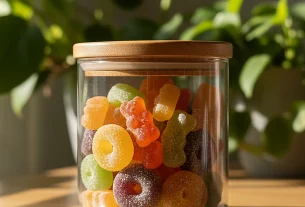
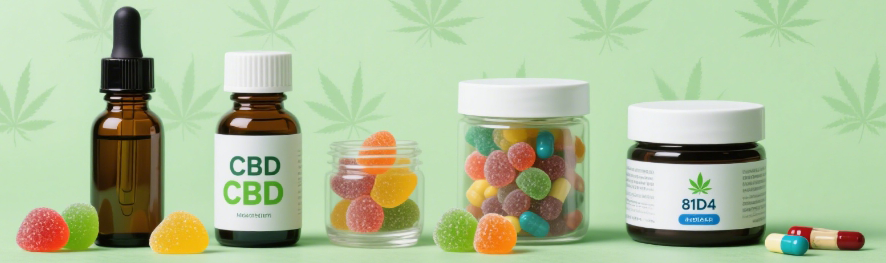
Okay, let’s address the elephant in the room: CBD. I know there’s a lot of hype around it, and it can be confusing to figure out what’s legit and what’s not. I’ve personally experimented with CBD oil and CBD gummies for anxiety, and I’ve found them to be helpful in managing my stress levels.
But it’s important to do your research and talk to your doctor before trying CBD, especially if you’re taking any other medications. Everyone reacts differently, and what works for me might not work for you.
Navigating the CBD Jungle: A Quick Guide
If you’re curious about CBD, here are a few things to keep in mind:
- Source is key: Look for products that are made from organically grown hemp and that have been third-party tested for purity and potency.
- Start low and go slow: Begin with a low dose and gradually increase it until you find the right amount for you.
- Consider the delivery method: CBD oil, gummies, creams, and drinks all have different absorption rates and effects. Experiment to see what works best for you.
Best CBD for Anxiety 2025? My Honest Take
Here’s where it feels real for me.
Honestly, there’s no single “best” CBD product for everyone. It really depends on your individual needs and preferences. But, based on my experience and research, I recommend looking for full-spectrum CBD products from reputable brands.
Full-spectrum CBD contains all of the beneficial compounds found in the hemp plant, which can enhance its effects. Always read reviews and do your homework before making a purchase.
CBD Cream for Arthritis Pain: Does it Really Work?
My grandma swears by CBD cream for her arthritis pain. She says it helps to reduce inflammation and ease her discomfort. While more research is needed to confirm its effectiveness, many people have reported positive results with CBD cream for arthritis.
The *sustainable ways to reduce stress* also include managing pain effectively, and CBD can play a role.
CBD Drinks: Where to Buy? A Quick Tip
CBD-infused drinks are becoming increasingly popular. You can find them at health food stores, cafes, and even some grocery stores. Just be sure to check the label to see how much CBD is in each serving.
CBD for Dogs with Arthritis: My Furry Friend’s Experience
It’s not just humans that can benefit from CBD! My dog, Sparky, has arthritis, and I’ve noticed a significant improvement in his mobility and comfort since I started giving him CBD oil. Always consult with your veterinarian before giving your pet CBD.
CBD Gummies for Sleep and Anxiety: Sweet Dreams or Sweet Hype?
I have to be honest, sometimes I take a CBD gummy before bed when I’m feeling particularly anxious. For me, they help to calm my mind and promote relaxation. But, they’re not a magic bullet. It’s important to combine them with other *sustainable ways to reduce stress*, such as good sleep hygiene and regular exercise.
CBD Gummies Near Me: Finding Quality Products Locally
A lot of local stores are now carrying CBD gummies. Just be sure to do your research and choose a reputable brand. Ask questions, read reviews, and don’t be afraid to shop around until you find a product that you feel comfortable with. These *sustainable ways to reduce stress* are a journey, not a destination!
More Sustainable Ways to Reduce Stress: Beyond CBD
Of course, CBD is just one piece of the puzzle. There are many other *sustainable ways to reduce stress* that you can incorporate into your life. Here are a few of my favorites:
- Prioritize sleep: Aim for 7-8 hours of quality sleep each night. Create a relaxing bedtime routine and stick to it as much as possible.
- Eat a healthy diet: Nourish your body with whole, unprocessed foods. Avoid sugary drinks and processed snacks, which can exacerbate stress.
- Exercise regularly: Physical activity is a natural stress reliever. Find an activity that you enjoy and make it a part of your routine.
- Connect with loved ones: Spend time with people who make you feel good. Social connection is essential for mental and emotional well-being.
- Practice gratitude: Take time each day to appreciate the good things in your life. Gratitude can help to shift your perspective and reduce stress.
Real-Life Results: Stories of Sustainable Stress Reduction
Sarah’s Story: Sarah, a busy working mom, was constantly feeling overwhelmed. She started incorporating 15 minutes of yoga into her morning routine and noticed a significant decrease in her stress levels. “It’s amazing how much calmer I feel throughout the day, even with all the chaos,” she says.
David’s Story: David, a retired teacher, was struggling with anxiety and insomnia. He started spending more time in his garden and found that it helped to ease his mind and improve his sleep. “Getting my hands dirty and connecting with nature has been incredibly therapeutic,” he shares.
Maria’s Story: Maria, a college student, was feeling stressed about exams. She started practicing mindfulness meditation and found that it helped her to focus and manage her anxiety. “I’m able to stay present in the moment and not get so caught up in my worries,” she explains.
Potential Downsides and Limitations
It’s important to be realistic about *sustainable ways to reduce stress*. They’re not a quick fix, and they require consistent effort. Some people may find that certain techniques, like mindfulness meditation, are difficult to master.
It’s also important to acknowledge that stress can sometimes be a symptom of a more serious underlying condition, such as anxiety or depression. If you’re struggling with chronic stress, it’s important to seek professional help.
Comparing Stress Reduction Strategies
There’s no one-size-fits-all approach to stress reduction. What works for one person may not work for another. Some people may prefer exercise, while others may find more relief in meditation. It’s important to experiment with different strategies and find what works best for you. Consider the following:
- Cost: Some stress reduction techniques, like joining a gym or seeing a therapist, can be expensive. Others, like taking a walk in nature or practicing deep breathing, are free.
- Time commitment: Some techniques, like yoga or meditation, require a significant time commitment. Others, like listening to music or taking a hot bath, can be done in a shorter amount of time.
- Accessibility: Some techniques, like hiking or swimming, require access to certain resources. Others, like journaling or reading, can be done anywhere.
My Final Thoughts: It’s a Marathon, Not a Sprint!
Reducing stress is an ongoing process, not a one-time event. Be patient with yourself, celebrate your progress, and don’t be afraid to ask for help when you need it. Remember, *sustainable ways to reduce stress* are about creating a healthier, happier, and more balanced life. You’ve got this!
So, what are your favorite *sustainable ways to reduce stress*? Share them in the comments below!