Estimated Reading Time: 6 minutes
RRmember that smell? The one that hits you like a wall when you walk down the cleaning aisle? It always gave me a headache. That, and the nagging feeling that I was spraying my home – and myself – with stuff I couldn’t even pronounce.
It got me thinking: are there organic alternatives to household products that actually WORK? It turns out, there are! And honestly, switching to greener cleaning and home solutions has been one of the best things I’ve done for my health and peace of mind. Let me share my journey!
Why I Made the Switch to Organic Alternatives
Table of Contents
- Why I Made the Switch to Organic Alternatives
- My Favorite Organic Alternatives to Household Products: The Real Deal
- 1. All-Purpose Cleaner: Vinegar Power!
- 2. Laundry Detergent: Soap Nuts to the Rescue
- 3. Dish Soap: Castile Soap for the Win
- 4. Toilet Bowl Cleaner: Baking Soda and Vinegar Magic
- 5. Furniture Polish: Olive Oil and Lemon Juice
- Organic Alternatives Beyond Cleaning: What Else Can You Swap?
- Addressing Common Concerns About Organic Cleaning
- Making the Switch: Start Small and Be Patient
- Final Thoughts: A Healthier Home, A Healthier You
For years, I was a sucker for those brightly colored bottles promising sparkling clean surfaces. But then I started digging a little deeper.
The Environmental Protection Agency (EPA) has consistently warned about the potential health risks associated with many conventional cleaning products, including respiratory problems, skin irritation, and even hormone disruption.
According to a 2023 study published in the Journal of Occupational and Environmental Medicine, prolonged exposure to certain cleaning chemicals can significantly increase the risk of developing asthma in adults. I started feeling like I was playing Russian roulette with my health every time I cleaned.
That was enough to make me explore organic alternatives to household products.
Plus, I have a dog, Buster. He licks EVERYTHING. The thought of him ingesting residue from chemical cleaners made me cringe. I wanted a home that was safe for him, for me, and honestly, for the planet. Switching to natural and organic options felt like a no-brainer.
Small change, big shift—at least for me.
My Favorite Organic Alternatives to Household Products: The Real Deal
Okay, so here’s the stuff I actually use, and that I *swear* by. Forget the marketing hype – this is what works in my real, messy, everyday life.
1. All-Purpose Cleaner: Vinegar Power!
Vinegar. Yep, plain old white vinegar. It’s my go-to for pretty much everything. I mix equal parts vinegar and water in a spray bottle, add a few drops of essential oil (lavender or lemon are my faves), and voila! An effective all-purpose cleaner that costs pennies.
Anyway, here’s what actually helped.
It cuts through grease, disinfects surfaces (vinegar is a natural disinfectant, effective against many common household bacteria according to the CDC), and leaves everything smelling fresh. Don’t worry about the vinegar smell; it dissipates quickly.
Downside: Vinegar isn’t great on marble or granite surfaces. The acidity can etch them. So, be careful!
2. Laundry Detergent: Soap Nuts to the Rescue
Okay, this one sounds weird, but trust me. Soap nuts are dried fruit shells that contain saponin, a natural surfactant. You just toss a few into a muslin bag and throw it in the washing machine with your clothes. They lather up and clean just as well as conventional detergent, without all the harsh chemicals.
I buy mine online in bulk, which saves a ton of money. Plus, they’re compostable! It’s probably the purest, most organic alternatives to household products available.
Downside: Soap nuts don’t have a strong scent, so if you like your laundry smelling super fragrant, you might need to add a few drops of essential oil to the wash.
3. Dish Soap: Castile Soap for the Win
Here’s where it feels real for me.
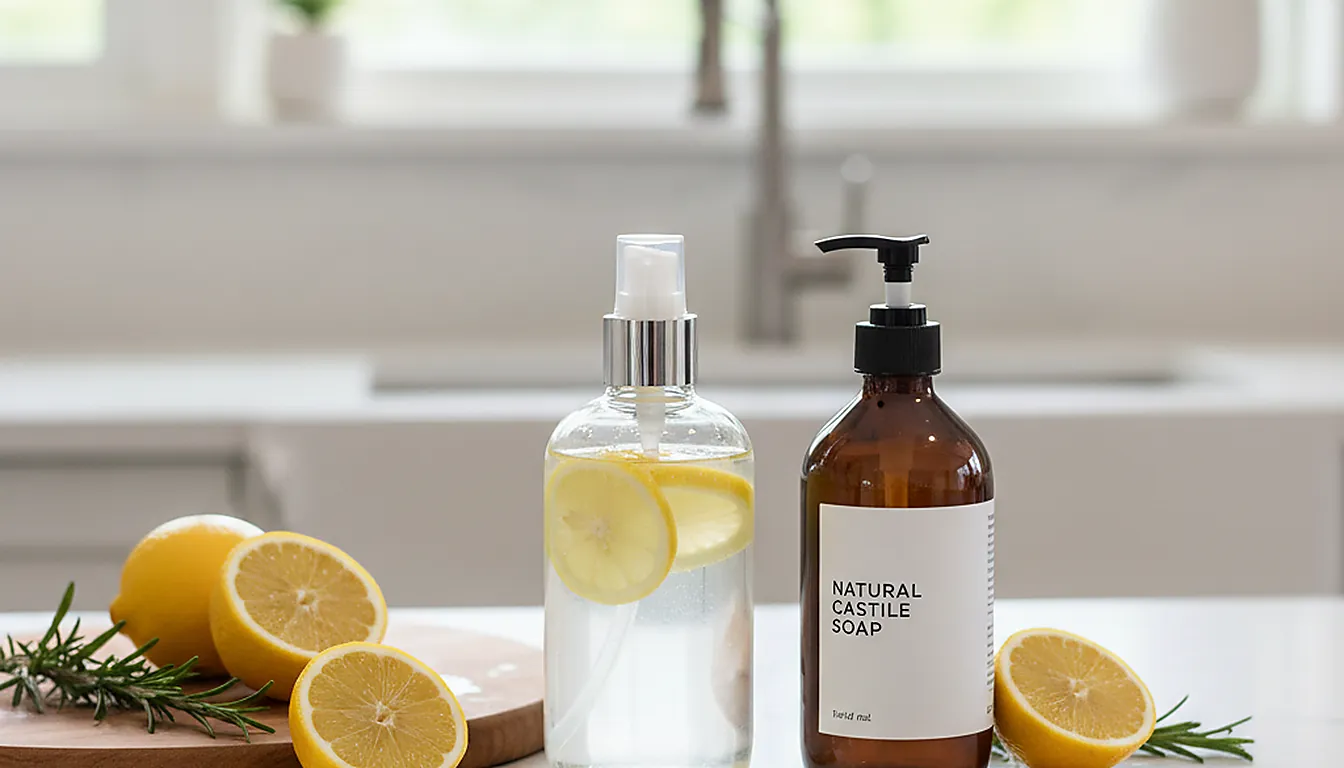
Castile soap is a vegetable-based soap that’s incredibly versatile. I use it for washing dishes, hand soap, and even as a body wash sometimes. It’s gentle on my skin and cuts through grease surprisingly well. A little goes a long way, too. I usually dilute it with water to make it last longer.
Downside: Castile soap can leave a slight film on dishes if you have hard water. Rinsing with a little vinegar can help prevent this.
4. Toilet Bowl Cleaner: Baking Soda and Vinegar Magic
This is another super simple one. I sprinkle baking soda into the toilet bowl, then pour in some vinegar. Let it fizz for a few minutes, then scrub with a toilet brush. The combination of baking soda and vinegar creates a natural cleaning action that gets rid of stains and odors. It’s way less harsh than those chemical-laden toilet bowl cleaners.
Downside: This method might not be strong enough for really tough stains. You might need to let the baking soda and vinegar sit for longer, or use a pumice stone for stubborn marks.
5. Furniture Polish: Olive Oil and Lemon Juice
For wood furniture, I mix a tablespoon of olive oil with a few drops of lemon juice. I apply it with a soft cloth, buffing the furniture until it shines. The olive oil moisturizes the wood, while the lemon juice helps to remove dirt and grime. It leaves my furniture looking beautiful and smelling fresh.
Plus, the natural oils help to protect and preserve the wood.
Downside: Be careful not to use too much olive oil, or your furniture might end up feeling greasy. A little goes a long way!
Organic Alternatives Beyond Cleaning: What Else Can You Swap?
The journey to a greener home doesn’t stop with cleaning products. There are so many other areas where you can make sustainable swaps.
- Air Fresheners: Ditch the aerosol sprays and opt for essential oil diffusers or beeswax candles. They smell amazing and don’t release harmful chemicals into the air.
- Pest Control: Instead of harsh pesticides, try using diatomaceous earth or essential oil blends to keep pests away.
- Personal Care Products: Switch to organic shampoo, conditioner, lotion, and sunscreen. Your skin will thank you!
Addressing Common Concerns About Organic Cleaning
I get it. Some people are skeptical about organic alternatives. They worry that they won’t be as effective as conventional products. Or they think they’ll be too expensive. Let’s tackle those concerns head-on.
Are organic cleaners as effective? Yes, they can be! The key is to find the right products and methods. I’ve found that many natural cleaners work just as well as, if not better than, their chemical counterparts. Plus, you’re not exposing yourself to harmful toxins.
Are organic products more expensive? Some can be, but many are actually cheaper! Ingredients like vinegar, baking soda, and castile soap are incredibly affordable. And you can often make your own cleaners at home for a fraction of the cost of store-bought products. Buying in bulk also helps to save money.
Making the Switch: Start Small and Be Patient
Don’t feel like you have to overhaul your entire household overnight. Start with one or two products and gradually replace them with organic alternatives as you run out. It’s a process, not a race. Do your research, experiment with different recipes, and find what works best for you. And remember, every small change makes a difference.
Final Thoughts: A Healthier Home, A Healthier You
Switching to organic alternatives to household products has been a game-changer for me. My home feels cleaner, safer, and healthier. I no longer worry about the chemicals I’m exposing myself and my dog to. And I feel good knowing that I’m doing my part to protect the environment.
If you’re looking for a way to improve your health and well-being, I highly recommend making the switch to organic household products. You won’t regret it!
What organic swaps have you made in your home? Share your tips in the comments below!
Speaking of healthier living, have you explored the potential benefits of CBD? I’ve found it can be a fantastic addition to a wellness routine.
If you’re curious, check out my other articles on CBD for anxiety and CBD cream for arthritis pain.
You might also find helpful information about how long does CBD stay in your system. I always encourage everyone to do their own research.