Estimated Reading Time: 8 minutes
OOay, let’s get real. You’re exploring the world of CBD – maybe for stress, maybe for sleep, maybe just out of curiosity. But then that little voice in the back of your head pipes up: “Wait, does CBD show up on a drug test?” I get it. I’ve been there.
It’s a valid concern, especially with so much riding on those results. The anxiety is real! My first encounter with CBD was a bit of a gamble – a new job, a stressful situation, and a friend swearing by its calming effects. But the drug test loomed large, a dark cloud over my newfound peace.
So, Does CBD Show Up on a Drug Test? The Short Answer
Table of Contents
- So, Does CBD Show Up on a Drug Test? The Short Answer
- The THC Factor: Why It Matters
- Full-Spectrum vs. Broad-Spectrum vs. CBD Isolate: Decoding the Labels
- How Long Does CBD Stay in Your System? It Depends!
- Choosing the Right CBD Product: A Step-by-Step Guide
- Real-World CBD Scenarios: What to Watch Out For
- Beyond Drug Tests: The Evolving World of CBD in 2025
- Best CBD for Anxiety 2025: What’s Trending?
- CBD Cream for Arthritis Pain: Does It Really Work?
- CBD Drinks Where to Buy: A Refreshing Trend
- CBD for Dogs with Arthritis: A Paw-some Solution?
- CBD Gummies for Sleep and Anxiety: A Sweet Dream?
- The Bottom Line: Knowledge is Power
Generally, pure CBD should *not* show up on a drug test. Most standard drug tests are designed to detect THC, the psychoactive compound in marijuana. But, and this is a BIG however, many CBD products contain trace amounts of THC. This is where things get tricky. Think of it like baking a cake.
Even if you’re aiming for a chocolate cake, a tiny bit of vanilla extract might sneak in. That vanilla isn’t the star, but it’s there. Similar with CBD, it’s the THC traces that you need to be wary of.
The THC Factor: Why It Matters
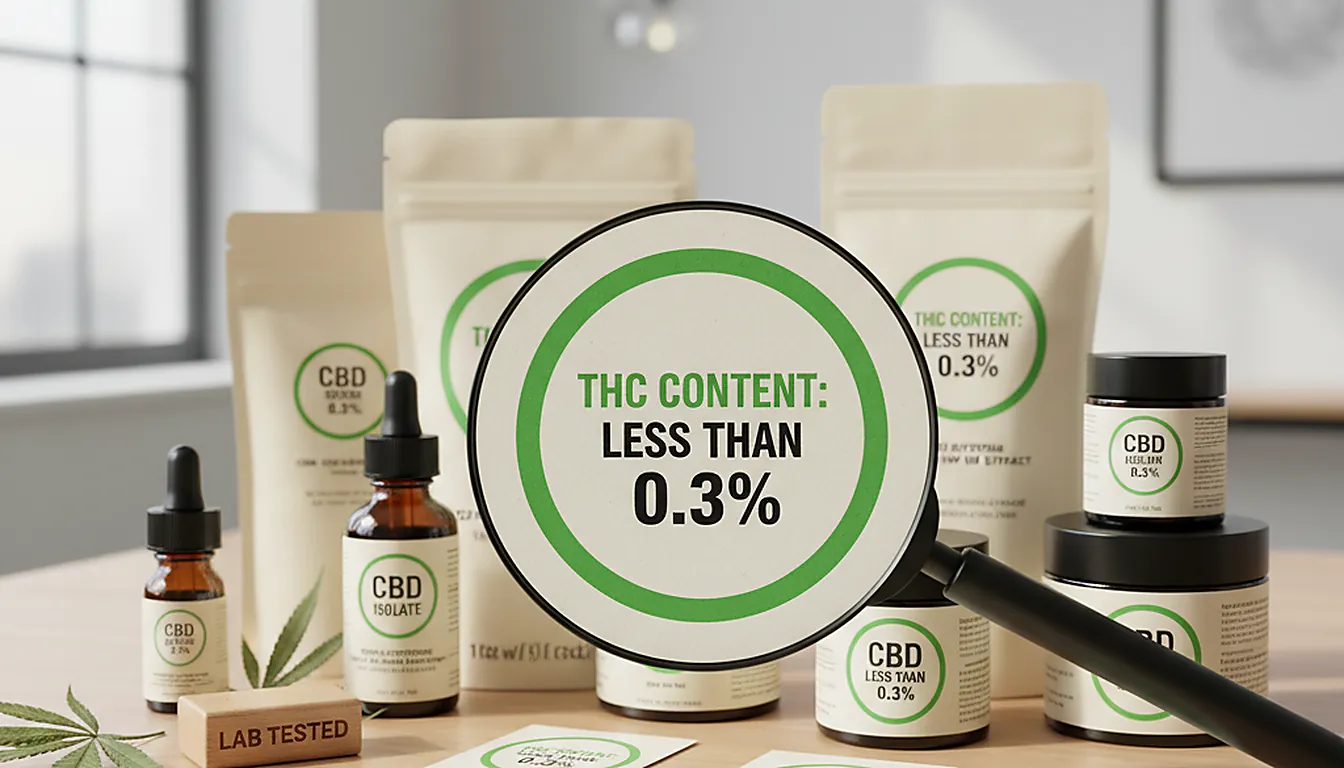
The legal limit for THC in CBD products is 0.3% at the federal level in the United States. While this amount is generally considered non-intoxicating, it can still potentially trigger a positive drug test, especially with regular or heavy use.
I once read about a woman who swore she only used CBD oil for sleep, and she still failed her employer’s drug screen. The culprit? Consistent use of a low-quality product with inaccurate labeling.
So, back to the point.
Full-Spectrum vs. Broad-Spectrum vs. CBD Isolate: Decoding the Labels
Understanding the different types of CBD is crucial. This is the key to navigating the CBD maze, trust me. It’s like ordering coffee: do you want a latte, a cappuccino, or just a plain black coffee?
- Full-Spectrum CBD: Contains all the naturally occurring compounds found in the cannabis plant, including that tiny bit of THC (less than 0.3%). Think of it as the “whole plant” experience.
- Broad-Spectrum CBD: Similar to full-spectrum, but the THC is removed. But, there’s still a slight risk of trace amounts lingering. This is like decaf coffee – you still get some caffeine in there.
- CBD Isolate: The purest form of CBD, containing only CBD and nothing else. This is the safest bet if you’re worried about drug tests. Like drinking purified water: it’s only water, nothing else.
How Long Does CBD Stay in Your System? It Depends!
Another crucial question is: how long does CBD stay in your system? This varies from person to person and depends on factors like dosage, frequency of use, metabolism, and body fat percentage. Think of it like this: your body processes CBD at its own pace, like digesting food. Some people have a fast metabolism and are fine, others not so much.
Generally, CBD can stay in your system for a few days to a couple of weeks. But, THC, even in trace amounts, can linger longer, especially with regular use. This is why choosing high-quality, third-party tested CBD products is so important. Transparency is key! For example, my neighbor uses CBD for his back pain.
Let me put it this way.
He needs it, but he also drives a truck for a living. His solution? Regular testing with at-home kits, along with only using broad spectrum oils with certifications of purity.
Choosing the Right CBD Product: A Step-by-Step Guide
Here’s my personal checklist for choosing CBD products, especially if you’re concerned about drug tests:
- Opt for CBD Isolate: This is the safest option, ensuring zero THC.
- Look for Third-Party Testing: Reputable brands will have their products tested by independent labs to verify CBD content and ensure THC levels are within the legal limit. Look for a Certificate of Analysis (COA).
- Read the Label Carefully: Pay close attention to the ingredients list and cannabinoid profile. Make sure it clearly states the amount of CBD and THC.
- Research the Brand: Check online reviews and look for any red flags, such as customer complaints about failed drug tests.
- Start with a Low Dose: It’s always best to start with a low dose and gradually increase it as needed. This allows you to monitor your body’s response and minimize the risk of THC accumulation.
Real-World CBD Scenarios: What to Watch Out For
Let’s look at some common situations and how to approach them:
This small shift made a visible difference.
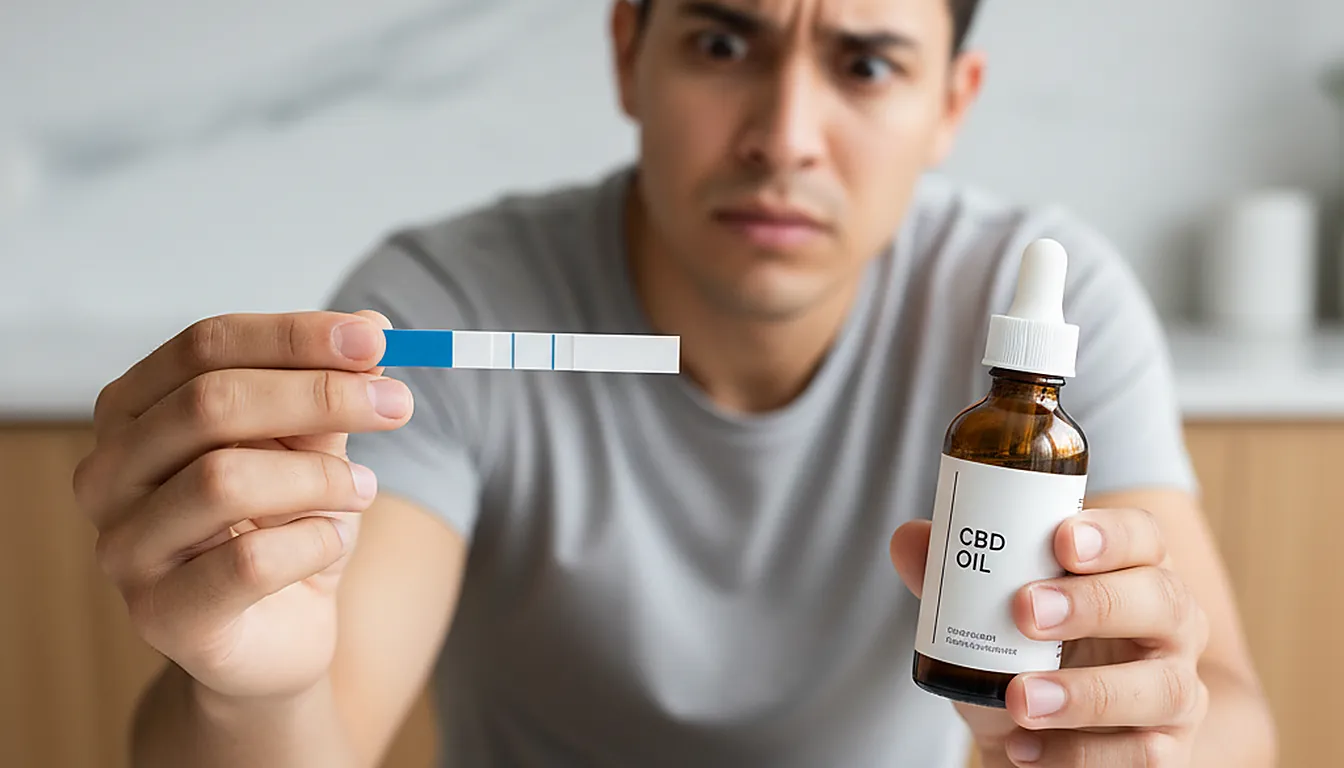
- Pre-Employment Drug Test: If you have an upcoming drug test for a job, it’s best to err on the side of caution and avoid CBD products altogether.
- Random Drug Tests at Work: If your employer conducts random drug tests, consider using CBD isolate and informing your employer about your CBD use. It might not protect you, but it’s better to be upfront.
- Medical Marijuana Card: If you have a medical marijuana card, you may be exempt from certain drug testing policies. But, it’s essential to check with your employer or relevant authorities to understand the specific regulations in your area.
Beyond Drug Tests: The Evolving World of CBD in 2025
The CBD landscape is constantly evolving. By 2025, we’re seeing more sophisticated testing methods and increased regulatory scrutiny. My prediction? We’ll see more standardized testing protocols and clearer labeling requirements, making it easier for consumers to make informed choices.
And maybe, just maybe, a broader acceptance of CBD in the workplace. But for now, due diligence is your best friend.
Best CBD for Anxiety 2025: What’s Trending?
Okay, so you want to find the best CBD for anxiety in 2025? Here’s what I’m seeing. People are moving towards more personalized approaches, mixing CBD with other natural remedies like adaptogens and terpenes. Think blends of CBD with ashwagandha or lavender. My advice?
Look for products that are specifically formulated for anxiety relief and have positive reviews from users with similar concerns. Don’t be afraid to experiment with different brands and formulations until you find what works best for you. And always, always, always check those lab reports!
CBD Cream for Arthritis Pain: Does It Really Work?
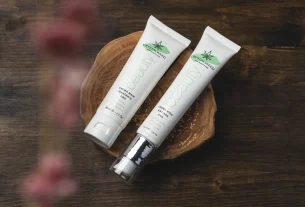
Let’s talk CBD cream for arthritis pain. My aunt swears by it. She says it’s the only thing that helps her manage her knee pain. And the research is catching up. Studies show that topical CBD can help reduce inflammation and pain associated with arthritis. But again, quality is key.
Look for creams that contain a high concentration of CBD and other pain-relieving ingredients like menthol or camphor. Read the reviews, ask your doctor, and see if it works for you. If my aunt’s experience is anything to go by, it could be a game-changer.
CBD Drinks Where to Buy: A Refreshing Trend
CBD-infused drinks are becoming increasingly popular. From sparkling water to iced tea, you can now find CBD in almost any beverage. But where do you buy them? Well, that depends on where you live. Some states have stricter regulations than others.
Check your local health food stores, specialty shops, and even some gas stations. But be cautious. Not all CBD drinks are created equal. Look for brands that are transparent about their sourcing and testing practices. Don’t just grab the first one you see. Do your research!
My personal favorites are the CBD-infused sparkling waters with natural fruit flavors. They’re a refreshing and discreet way to get your daily dose of CBD.
CBD for Dogs with Arthritis: A Paw-some Solution?
It’s not just humans who can benefit from CBD. Many pet owners are turning to CBD for dogs with arthritis. And the results can be amazing. I’ve seen dogs with crippling arthritis regain their mobility and zest for life after starting CBD. If you’re considering CBD for your furry friend, talk to your veterinarian first.
They can help you determine the appropriate dosage and monitor your dog’s response. Just like with humans, quality is crucial. Choose CBD products that are specifically formulated for pets and have been third-party tested for purity and potency.
Don’t give your dog human CBD products, as they may contain ingredients that are harmful to animals.
CBD Gummies for Sleep and Anxiety: A Sweet Dream?
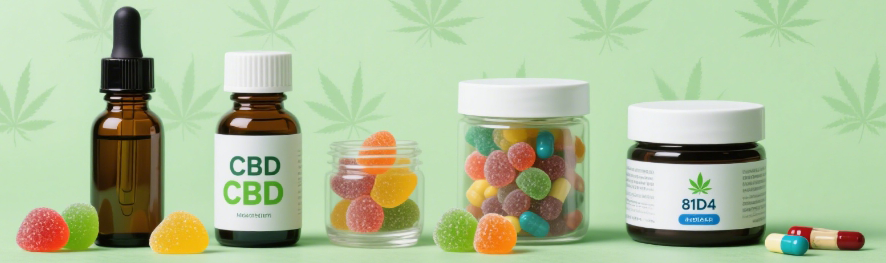
Finally, let’s talk CBD gummies for sleep and anxiety. These are probably the most popular way to consume CBD. They’re convenient, discreet, and come in a variety of flavors. But do they work? Well, for some people, yes. But not for everyone.
The effectiveness of CBD gummies depends on various factors, including dosage, individual metabolism, and the underlying cause of your sleep or anxiety issues. Start with a low dose and gradually increase it until you find the sweet spot.
Look for gummies that are made with high-quality CBD and other sleep-promoting ingredients like melatonin or L-theanine. And always, always, always read the label carefully and check those lab reports!
The Bottom Line: Knowledge is Power
So, does CBD show up on a drug test? It’s complicated. But by understanding the risks, choosing the right products, and staying informed, you can navigate the world of CBD with confidence. Remember, knowledge is power.
And in the ever-evolving world of CBD, staying informed is key to protecting yourself and making the best choices for your health and well-being. Don’t be afraid to ask questions, do your research, and listen to your body. And if you’re ever unsure, talk to your doctor or a qualified healthcare professional.