Estimated Reading Time: 6 minutes
EEer since my crazy Aunt Carol swore by CBD for her bum knee, I’ve been on a quest to figure out: what does CBD do? It’s everywhere, from fancy health stores to gas station counters, promising everything from blissful sleep to pain-free days. But cutting through the marketing hype? That’s the real challenge.
So, I dove deep, did my research (and even tried a few gummies along the way!), and I’m here to share what I’ve learned in plain, honest English.
What IS CBD Anyway? (And Why Should I Care?)
Table of Contents
- What IS CBD Anyway? (And Why Should I Care?)
- How Does This Stuff Actually Work?
- So, What Does CBD Do? The Real Deal
- How Long Does CBD Stay in Your System?
- Navigating the CBD Jungle: What to Look For
- CBD Drinks: Where to Buy?
- CBD: Not Just for Humans!
- Best CBD for Anxiety 2025: My Top Pick
- Final Thoughts (And a Word of Caution)
First things first. CBD, short for cannabidiol, is one of many compounds called cannabinoids found in the cannabis plant. Now, before your mind jumps to that other famous cannabinoid (THC), know this: CBD is non-psychoactive. That means it won’t get you high.
So, back to the point.
It’s like the responsible, well-behaved cousin in the cannabis family. And that’s precisely why it’s become so popular. People are seeking the potential benefits of cannabis without the altered mental state.
I remember the first time I even HEARD of it. It was 2020, and everyone was talking about it. But I didn’t really pay attention until my sister, who struggles with anxiety, mentioned she was giving it a try. That’s when I started to dig in.
How Does This Stuff Actually Work?
Okay, this is where it gets a little sciency, but I’ll keep it simple. CBD interacts with your body’s endocannabinoid system (ECS). Think of the ECS as a giant network of receptors throughout your body that helps regulate things like mood, pain, sleep, and immune function.
Small change, big shift—at least for me.
CBD doesn’t bind directly to these receptors like THC does. Instead, it influences them indirectly, modulating their activity and helping to restore balance.
It’s kind of like a conductor leading an orchestra. The conductor (CBD) isn’t playing the instruments (ECS receptors) directly, but they are influencing how the orchestra performs as a whole. Make sense?
So, What Does CBD Do? The Real Deal
Here’s the million-dollar question: what does CBD do, practically speaking? Let’s break down some of the most common uses and what the research (and my own experience) suggests:
- Pain Relief: This is a big one. I’ve used CBD cream for arthritis pain in my hands (especially during those cold winter months!), and it definitely helps take the edge off. Studies suggest it may reduce inflammation and pain perception. It’s not a magic bullet, but it’s a welcome addition to my pain management routine.
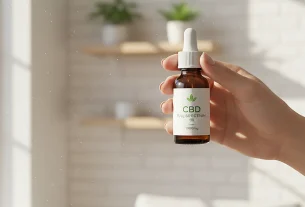
- Anxiety and Stress Reduction: My sister swears by CBD for her anxiety. She takes a few drops of CBD oil under her tongue when she feels overwhelmed, and she says it helps calm her nerves without making her drowsy. Research supports this, suggesting CBD may alter serotonin signals in the brain, which can have anti-anxiety effects. I’ve personally found it helpful for those moments when I’m feeling particularly stressed at work.
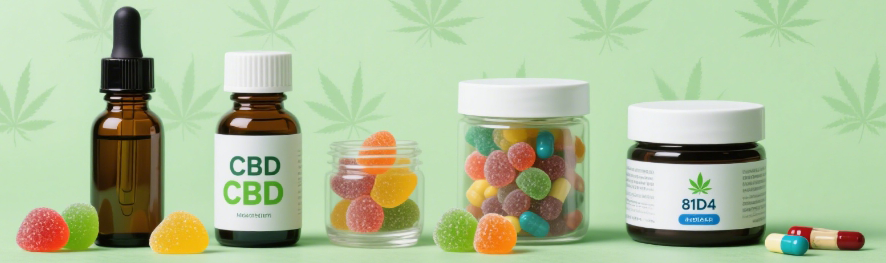
- Improved Sleep: Struggling to fall asleep? CBD might help. While it’s not a sedative, it can promote relaxation and reduce anxiety, which can make it easier to drift off to dreamland. I’ve tried CBD gummies for sleep and anxiety on particularly restless nights, and I do find they help me relax and unwind before bed.
- Neuroprotective Properties: Some research suggests CBD may have neuroprotective benefits, meaning it could protect brain cells from damage. This is an area of ongoing research, but the early results are promising, particularly for conditions like epilepsy and Alzheimer’s disease.
It’s important to remember that everyone responds differently to CBD. What works for me might not work for you, and vice versa. It’s all about experimenting and finding what works best for your individual needs.
Here’s where it feels real for me.
How Long Does CBD Stay in Your System?
This is a common question, and the answer is…it depends. Factors like dosage, frequency of use, metabolism, and body weight all play a role. Generally, CBD can stay in your system for 2-5 days, but it could be longer for some people.
If you’re concerned about drug testing, it’s best to err on the side of caution and avoid CBD products altogether, especially if they aren’t third-party tested to ensure they contain no THC.
Navigating the CBD Jungle: What to Look For
The CBD market is like the Wild West – unregulated and full of questionable products. So, how do you find quality CBD that actually works? Here are a few tips:
- Look for Third-Party Testing: This is crucial. Make sure the product has been tested by an independent lab to verify its CBD content and ensure it’s free of contaminants like pesticides and heavy metals. The company should make these lab results readily available.
- Check the CBD Source: Opt for CBD derived from organically grown hemp. This reduces the risk of exposure to harmful chemicals.
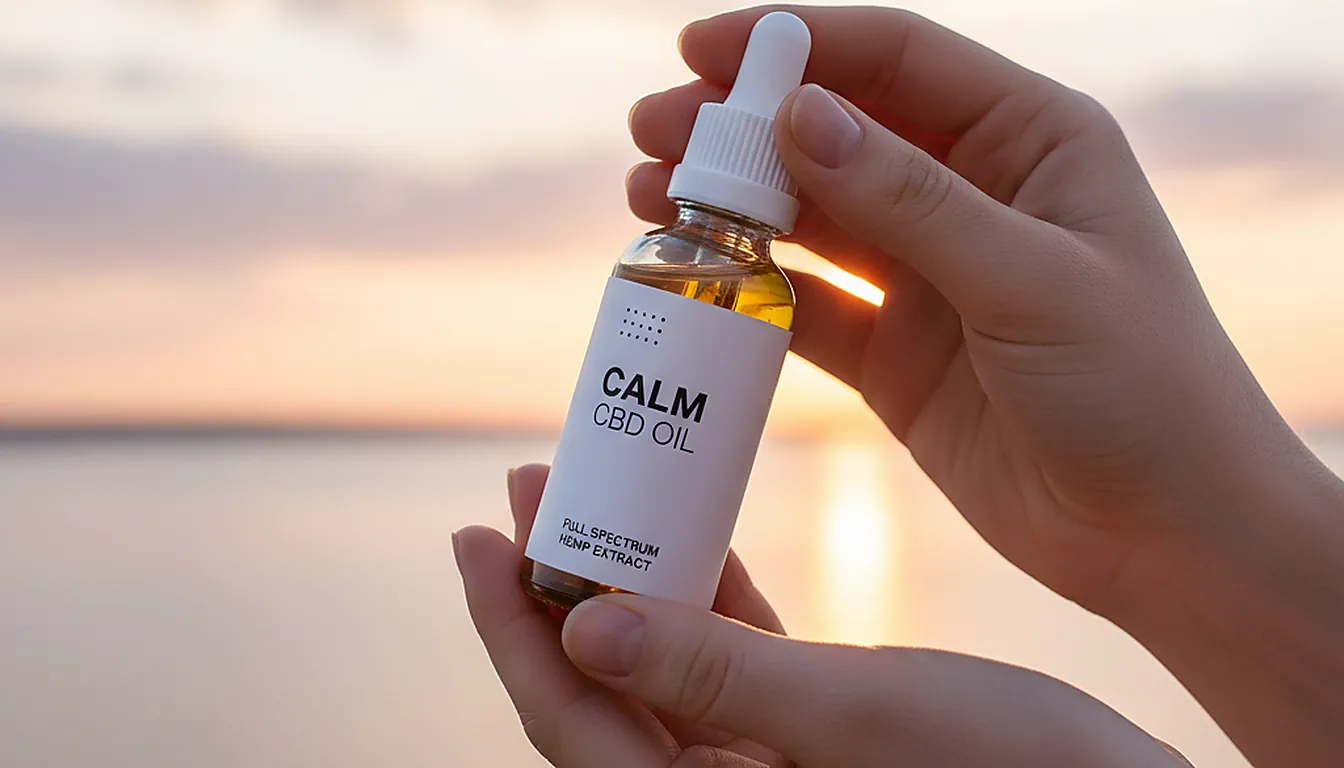
- Consider the Type of CBD: There are three main types: full-spectrum, broad-spectrum, and CBD isolate. Full-spectrum contains all the cannabinoids found in the hemp plant, including trace amounts of THC (less than 0.3%). Broad-spectrum contains all the cannabinoids except THC. CBD isolate is pure CBD. I personally prefer full-spectrum CBD, as I believe the presence of other cannabinoids enhances its effects (the “entourage effect”).
- Read Reviews: See what other people are saying about the product. Look for reviews on reputable websites and forums.
CBD Drinks: Where to Buy?
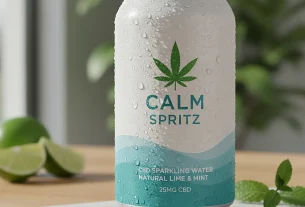
CBD-infused drinks are becoming increasingly popular, but it can be tricky to find quality options. I usually check my local health food store first. They tend to carry brands that prioritize quality and transparency.
You can also find a variety of CBD drinks online, but be sure to do your research before making a purchase. Look for brands that offer third-party testing and clearly list the CBD content on the label.
CBD: Not Just for Humans!
Did you know CBD can also benefit our furry friends? My neighbor gives her elderly Labrador CBD for dogs with arthritis, and she says it’s made a world of difference in his mobility and comfort. If you’re considering CBD for your pet, be sure to talk to your veterinarian first to determine the appropriate dosage.
Best CBD for Anxiety 2025: My Top Pick
Okay, I can’t give you a definitive “best” CBD for anxiety in 2025 because products are constantly evolving, and everyone responds differently. But, based on my research and personal experience, I’d suggest looking for full-spectrum CBD oils from reputable brands that offer third-party testing.
Keep an eye out for brands with good customer reviews and transparent sourcing practices. And remember, start with a low dose and gradually increase it until you find what works best for you.
Final Thoughts (And a Word of Caution)
So, what does CBD do? It’s not a miracle cure-all, but it can be a valuable tool for managing pain, anxiety, sleep problems, and other conditions. But, it’s important to do your research, choose quality products, and talk to your doctor before using CBD, especially if you’re taking other medications.
CBD can interact with certain drugs, so it’s essential to be aware of potential interactions. I once accidentally took too much, and felt a little *too* relaxed… lesson learned!
Ultimately, my journey with CBD has been a personal one, filled with experimentation and learning. I hope this article has shed some light on the complex world of CBD and helped you understand what does CBD do. Remember, knowledge is power, so empower yourself to make informed decisions about your health and well-being!
Disclaimer: I am not a medical professional. This information is for educational purposes only and should not be considered medical advice. Always consult with your doctor before using CBD.